 listicle
Best Alternatives to Expensive Recovery Boots 2026
Table of Contents
- What Are Recovery Boots and Why Are They Expensive?
- Budget-Friendly Pneumatic Compression Alternatives to Expensive Recovery Boots
- Manual Compression Leg Sleeves as a Low-Cost Recovery Tool
- Benefits of Cold Water Immersion for Athletes
- Best Foam Rollers for Muscle Recovery
- Comparison Table: Recovery Boot Alternatives at a Glance
- How to Choose the Right Alternative for Your Recovery Needs
- Frequently Asked Questions
Last Updated: September 30, 2026
Recovery boots are expensive. A premium pair can cost hundreds of dollars, making them unrealistic for most athletes and fitness enthusiasts. But you don't need to spend that much to recover effectively.
There are plenty of alternatives to expensive recovery boots that deliver real results without breaking the bank. Whether you're returning to fitness or training seriously, these options help reduce muscle soreness, improve blood flow, and speed up recovery time, often at a fraction of the cost.
This guide breaks down the best alternatives to expensive recovery boots, including pneumatic compression systems, manual compression sleeves, cold water immersion, and foam rolling. We'll show you how each option works, what to expect, and how to choose the right recovery tool for your needs and budget.
What Are Recovery Boots and Why Are They Expensive?
Recovery boots use intermittent pneumatic compression to squeeze and release your legs in cycles. This process enhances venous return, improves lymphatic drainage, and reduces lactic acid buildup after intense workouts. The technology mimics the natural muscle contractions that help your body recover faster.
Premium recovery boots from top brands can cost $1,000 or more. That price tag reflects clinical-grade pressure sensors, advanced multi-zone inflation patterns, and sleek design. But here's what most people don't realize: you don't need those premium features to get meaningful recovery benefits.
The expensive models target professional athletes and sports teams with large budgets. For the rest of us, alternatives deliver similar compression therapy outcomes at a fraction of the cost. Many of these options are portable, user-friendly, and backed by solid recovery science.
Budget-Friendly Pneumatic Compression Alternatives to Expensive Recovery Boots
Entry-Level Air Compression Systems
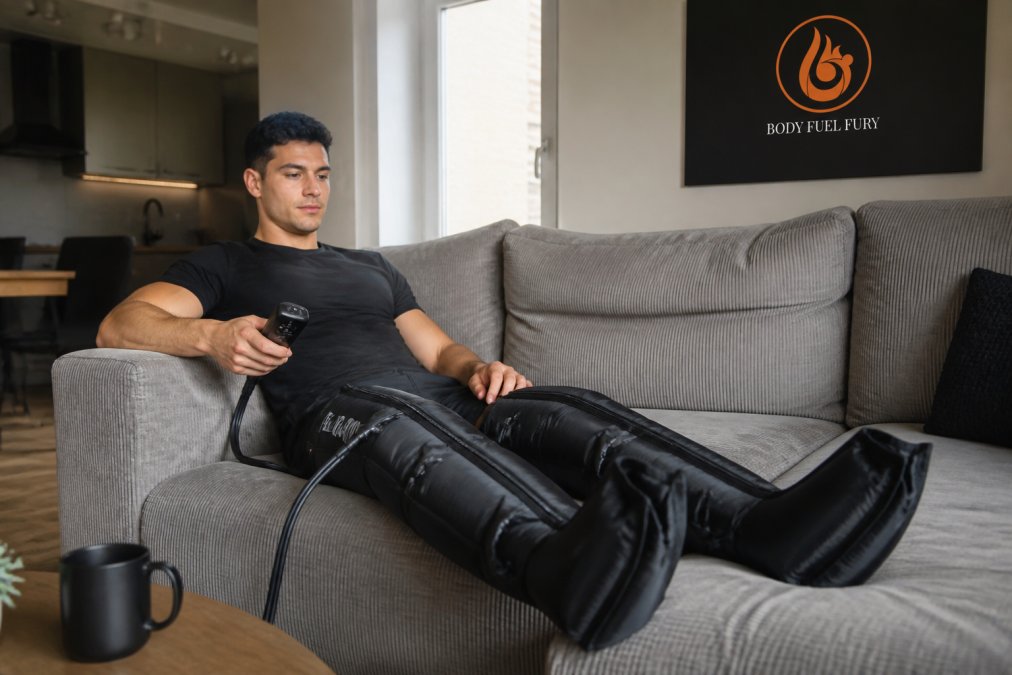
Entry-level compression devices provide the core benefit of recovery boots without the premium price. These systems use air bags to apply sequential pressure to your legs, improving circulation and reducing soreness.
Mid-Range Portable Compression Options
Mid-range alternatives balance features, portability, and durability. These systems offer more customization than entry-level models while staying accessible in price.
Manual Compression Leg Sleeves as a Low-Cost Recovery Tool
Manual compression leg sleeves offer a completely different approach: no electricity, no batteries, no control units. These graduated compression garments apply steady pressure to your legs, supporting blood flow and reducing swelling through static force rather than active inflation cycles.
How Compression Sleeves Work
Graduated compression is tighter at the ankle and progressively looser toward the thigh, mimicking the natural muscle pump. This pressure gradient naturally promotes venous return, blood flows back to your heart more efficiently, and reduces fluid pooling in the lower leg. You wear them post-workout or throughout the day, and the sustained compression helps reduce delayed-onset muscle soreness (DOMS) in the 24-48 hours after training. Unlike pneumatic systems, sleeves deliver passive compression; you're not getting active massage or dynamic pressure cycles. But for many athletes, especially those returning to fitness after time away, this gentle sustained pressure is enough to notice meaningful improvement in soreness and recovery speed.
Sizing and Fit for Different Body Types
This is where many guides fall short, and it's a major pain point. Compression sleeves come in standard sizes (small, medium, large, XL), but fit varies dramatically by calf width, height, and muscle mass. A person with a larger calf or shorter leg length may find standard sleeves too loose or too short, losing compression effectiveness. Conversely, someone with a very lean or thin calf may find even "small" sleeves baggy.
Measure your calf circumference at the widest point (usually mid-calf) and your leg length from knee to ankle. Most reputable compression brands publish sizing charts that cross-reference these measurements. If you're between sizes, choose the smaller size for better compression; sleeves should feel snug but not painful or cutting off circulation. If you have larger calves (16+ inches), look for brands offering extended sizing or "plus" options. For those returning to fitness with changing body composition, compression sleeves are forgiving, they adapt as your legs change, unlike rigid pneumatic boots.
Durability and Long-Term Value
Quality compression sleeves last 1-2 years with proper care, making them an exceptional value compared to any electronic system. The fabric degrades gradually; you'll notice compression weakening over time as elastic fibers lose elasticity. Hand-washing in cool water and air-drying extends lifespan significantly. Machine washing and high heat accelerate degradation. High-density nylon blends (80% nylon, 20% spandex) hold compression better than lower-quality materials. Seams should be flat-locked to prevent chafing during extended wear.
Integration Into Your Recovery Routine
The advantage is simplicity and flexibility. Slip them on immediately post-workout, wear them for 2-4 hours, and remove them when you're done. No setup, no learning curve, no charging. They're also extremely portable, pack them in any gym bag or suitcase. Many athletes wear compression sleeves during travel or desk work to maintain blood flow throughout the day. For those returning to fitness, wearing sleeves during light activity (walking, easy stretching) on recovery days provides ongoing support without requiring dedicated recovery time.
Compress sleeves work best when combined with other recovery methods. Use them alongside foam rolling for muscle tension, or after cold water immersion to support the rewarming phase. They're also ideal for athletes who can't afford or don't want electronic systems; a quality pair costs $30-$80 and requires zero maintenance beyond washing.
Benefits of Cold Water Immersion for Athletes
Cold water immersion (ice baths) is one of the oldest recovery tools, and the science is more nuanced than "cold reduces soreness." Submerging your legs in cold water for 10-15 minutes triggers vasoconstriction, which temporarily reduces blood flow and swelling. In the hours after immersion, vasodilation follows, flushing metabolic waste and delivering fresh oxygen to muscle tissue. This cycle can reduce delayed-onset muscle soreness (DOMS) and accelerate recovery from high-impact or strength-focused workouts.
However, the research shows important caveats. Cold water immersion is most effective within 15 minutes of intense exercise; waiting longer diminishes benefit. Studies also show that frequent ice baths (more than 3-4 times weekly) may blunt the inflammatory response your body needs to build strength adaptations. For athletes focused on hypertrophy or power development, this trade-off matters.
Best Foam Rollers for Muscle Recovery
Foam rolling is low-tech recovery that works. Rolling your muscles over a cylindrical foam tool applies localized pressure, breaking up muscle tension and improving tissue quality. It's not as flashy as compression boots, but it's effective and costs almost nothing.
Comparison Table: Recovery Boot Alternatives at a Glance
| Option | Price Range | Best For | Portability | Active Compression |
|---|---|---|---|---|
| Entry-Level Air Compression | $100-$150 | Beginners, tight budgets | Moderate | Yes |
| Mid-Range Compression | $380-$600 | Serious athletes, home use | Good | Yes |
| Manual Compression Sleeves | $30-$80 | Daily wear, travel | Excellent | No |
| Cold Water Immersion | $0-$500 | Post-intense workouts | Low | No |
| Foam Rollers | $20-$100 | Muscle tension, mobility | Excellent | No |
How to Choose the Right Alternative for Your Recovery Needs
Start by defining your recovery goals. Are you managing soreness after workouts? Recovering from an injury? Returning to fitness after time off? Each scenario points toward different tools.
Frequently Asked Questions
Are budget-friendly alternatives to expensive recovery boots actually effective?
Yes, many affordable alternatives deliver meaningful results for post-workout recovery. Entry-level pneumatic compression devices use the same intermittent compression technology as premium models, improving blood flow circulation and reducing delayed onset muscle soreness (DOMS). The main differences are fewer customization options and lower maximum pressure settings, not the fundamental mechanism. For most fitness enthusiasts and those returning to training, budget alternatives provide sufficient venous return improvement and lactic acid clearance to support recovery time between sessions.
How do manual compression leg sleeves compare to pneumatic recovery boots?
Manual compression leg sleeves offer passive, constant pressure without electricity or batteries, making them highly portable and affordable. However, they lack the intermittent compression patterns that pneumatic boots provide, which actively enhance lymphatic drainage and tissue oxygenation through sequential inflation cycles. Manual sleeves work best for mild muscle soreness and edema reduction during daily wear, while pneumatic systems deliver more aggressive therapeutic massage and faster recovery results. Many athletes use both: sleeves for daily support and compression devices for intensive post-workout recovery sessions.
Can cold water immersion replace expensive recovery boots?
Cold water immersion and pneumatic compression serve complementary but different recovery functions. Cold plunges reduce inflammation and muscle soreness through vasoconstriction, while compression boots improve circulation and nutrient delivery through intermittent pressure. Athletes often combine both methods for optimal results: cold water immersion immediately post-exercise to control inflammation, followed by compression therapy hours later to enhance blood flow. Neither fully replaces the other, but cold water immersion is a low-cost alternative for managing acute soreness when budget constraints limit access to pneumatic systems.
What features matter most when choosing an affordable recovery boot alternative?
Prioritize pressure range, treatment cycle duration, and portability. Look for devices offering adjustable intensity settings (at least 3-4 levels) so you can customize compression to your needs. Battery life matters if you travel or prefer wireless operation. Full-leg coverage provides better overall recovery than calf-only systems, but portable calf-focused options suit athletes on the move. Durability and build quality affect long-term value, medical-grade materials and reliable pump mechanisms justify slightly higher upfront costs. Start with these essentials rather than advanced features like app connectivity, which add cost without improving core recovery benefits.
Recovery doesn't require expensive boots. Body Fuel Fury understands that fitness progress comes from smart choices, not premium price tags. Whether you choose pneumatic compression, manual sleeves, cold water immersion, or foam rolling, the key is consistency. Pick a recovery method that fits your budget and lifestyle, then use it regularly. Your muscles will thank you, and your wallet will too. Shop now for the recovery tools that match your goals and training intensity.