
 listicle
5 Best Home Gym Equipment for Seniors in 2026
Table of Contents
- How We Chose the Best Home Gym Equipment for Seniors
- Quick Comparison: Top 5 Picks for Senior Home Gyms
- 1. NordicTrack X24 Treadmill: Best for Guided Low-Impact Cardio
- 2. Bowflex Xtreme 2 SE: Best for Full-Body Strength Training
- 3. Horizon 7.4 AT Treadmill: Best for Simple, Reliable Walking
- 4. Manduka PRO Yoga Mat: Best for Balance and Floor Work
- 5. Major Fitness All-In-One Home Gym: Best for Guided Strength Safety
- Choosing Low-Impact Home Workout Equipment for Your Condition
- Frequently Asked Questions
Last Updated: September 8, 2026
How We Chose the Best Home Gym Equipment for Seniors
Choosing home gym equipment seniors can use safely requires different priorities than outfitting a commercial gym. The best home gym equipment for seniors in 2026 focuses on joint-friendly movement, safety, and ease of use, not maximum resistance or speed. We evaluate gear on three core criteria: joint protection during low-impact exercise, intuitive controls and setup, and support for balance and stability.
The equipment landscape has shifted toward smart, connected machines that guide users through safe movement patterns. However, many of the top options we reviewed pair that technology with ergonomic design that respects age-related changes in muscle mass and bone density. According to the National Institute on Aging's exercise guidelines, regular physical activity is critical for maintaining independence and reducing the risk of falls in older adults. We also weighed practical factors like the unit's compact footprint for home use, warranty coverage, and the learning curve required to operate the machine safely.
A common mistake is selecting equipment based on intensity ratings rather than adaptability. We prioritized machines with adjustable resistance and speed settings that accommodate many fitness levels. Each pick supports cardiovascular health, strength, and functional fitness without forcing high-impact movements that stress the joints.
Quick Comparison: Top 5 Picks for Senior Home Gyms
Quick Picks:
- Best for Guided Cardio: NordicTrack X24 Treadmill, interactive coaching and incline training for heart health
- Best for Full-Body Strength: Bowflex Xtreme 2 SE, 70+ exercises with joint-friendly power rods
- Best Value Treadmill: Horizon 7.4 AT, straightforward controls and reliable cushioning
- Best for Balance and Flexibility: Manduka PRO Yoga Mat, dense support for floor work
- Best for Safe Guided Lifting: Major Fitness All-In-One Home Gym, smith machine protection for solo sessions
| Equipment | Best For | Key Feature | Space Needed | Price Range |
|---|---|---|---|---|
| NordicTrack X24 | Guided low-impact cardio | 24-inch touchscreen, iFIT | Large | Premium |
| Bowflex Xtreme 2 SE | Full-body strength | Power Rod resistance | Medium | $1,499 |
| Horizon 7.4 AT | Simple walking routine | Quick-dial controls | Large | $2,399 |
| Manduka PRO Mat | Balance and floor work | High-density cushioning | Minimal | $138 |
| Major Fitness All-In-One | Guided strength safety | Smith machine system | Very large | Contact vendor |
1. NordicTrack X24 Treadmill: Best for Guided Low-Impact Cardio
The NordicTrack X24 earns the top spot for cardiovascular health because its interactive platform removes guesswork from safe walking and hiking workouts. The 24-inch HD touchscreen connects to iFIT, which automatically adjusts belt speed and incline to keep your heart rate in the right zone.
Its significant incline and decline range builds endurance without adding impact. The cushioning system reduces stress on knees and hips, making it a strong choice for those managing arthritis or recovering from joint issues. The large screen supports cognitive engagement during exercise.
The tradeoff is the high price point, well above standard treadmills. You are paying for integrated coaching and premium build quality. If you prefer self-guided workouts, you may not use the smart features enough to justify the cost. For structured, low-impact cardio, this machine delivers the most comprehensive package.
2. Bowflex Xtreme 2 SE: Best for Full-Body Strength Training
For strength training that protects aging joints, the Bowflex Xtreme 2 SE uses Power Rod resistance technology for smooth, low-impact movement without heavy free weights. It supports over 70 exercises covering every major muscle group, all within a single compact footprint.
Resistance training counteracts muscle atrophy and supports bone density (peer-reviewed research). Power Rods provide consistent tension throughout each movement, reducing the risk of jerking or straining common with cable machines. The lat tower and squat station allow comprehensive upper and lower body training.
Assembly requires significant floor space and is not a five-minute job. The $1,499 price is a serious investment, but it replaces an entire rack of free weights and multiple machines. Seniors maintaining functional strength for daily activities like carrying groceries or rising from a chair will find this machine covers those patterns effectively.
3. Horizon 7.4 AT Treadmill: Best for Simple, Reliable Walking
Not everyone wants a screen-filled treadmill with a subscription. The Horizon 7.4 AT strips away complexity and delivers a sturdy walking machine with quick-dial controls that respond instantly. If you want to control speed and incline without navigating menus, this is the treadmill for you.
The Rapid-Sync motor adjusts speed and incline with a simple dial turn, a meaningful safety feature. Fumbling with tiny buttons mid-stride is a fall risk; the dial lets you adjust without breaking rhythm. Advanced cushioning absorbs impact, and Bluetooth pairs with a heart rate monitor to track effort.
The 7.4 AT lacks large interactive screens, keeping the price at $2,399 and the interface simple. What you give up in entertainment, you gain in reliability. It is built for the senior who wants to log daily walking miles, monitor heart rate, and avoid a smart treadmill's learning curve.
4. Manduka PRO Yoga Mat: Best for Balance and Floor Work
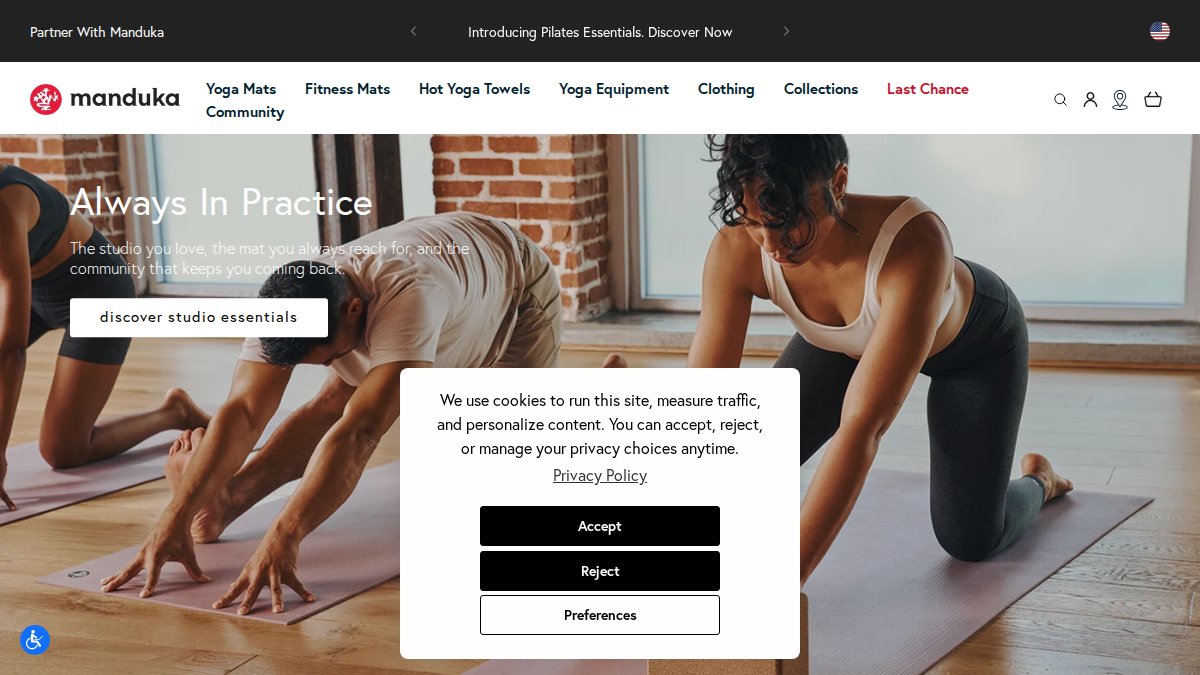
Balance training is the most overlooked component of home gym equipment seniors use, yet it is the single best defense against falls. The Manduka PRO Yoga Mat provides a stable, high-density surface for stretching, yoga, and bodyweight balance exercises. At $138, it is the most affordable pick on this list, but also one of the most essential.
Its dense cushioning protects joints during floor work, critical for seniors with sensitive knees or hips. The closed-cell surface prevents sweat absorption, keeping it hygienic and slip-resistant. The non-slip grip provides a secure base for balance poses and seated stretches, building stability for everyday movements.
The one drawback is weight; it is heavier than standard mats, making it less portable. That tradeoff is worth it for durability and support. For improving flexibility, range of motion, and balance without equipment complexity, this mat is the foundation of a safe home workout space.
5. Major Fitness All-In-One Home Gym: Best for Guided Strength Safety
The Major Fitness All-In-One Home Gym is for seniors who want serious strength training but worry about lifting alone. The integrated smith machine guides the barbell along a fixed vertical path, eliminating the risk of the bar drifting during a lift. That safety feature makes solo resistance training far more approachable.
This unit combines a smith machine, dual cable pulley system, and squat rack into one heavy-duty steel frame. Cables allow functional movements like rows, pulldowns, and chest presses, while the smith machine handles heavier compound lifts. Guided motion is especially valuable for those transitioning from physical therapy or returning after a long break.
The honest limitation is space. This full power rack system needs a dedicated room or large garage area. Pricing requires contacting the vendor directly, as it varies with configuration and shipping. For progressive strength training with built-in safety rails, this machine justifies its footprint.
Choosing Low-Impact Home Workout Equipment for Your Condition
Selecting the right low-impact home workout equipment depends entirely on your specific health considerations. The right choice for someone managing arthritis differs from someone focused on balance recovery. Before purchasing, consider how each machine supports your unique movement needs and which exercises your doctor or physical therapist has approved.
Equipment for Joint Pain and Arthritis
For seniors with joint pain, the priority is cushioning and smooth resistance. The NordicTrack X24 and Horizon 7.4 AT feature advanced deck cushioning that absorbs shock before it reaches knees and hips. The Bowflex Xtreme 2 SE's Power Rod technology provides resistance without the jarring impact of free weights, making it a strong option for strength work when joints are sensitive.
Weight-bearing exercise is beneficial for bone density, but it must be introduced gradually. Start with the treadmill at a flat incline and slow speed, then progress as joints adapt. Stretching on the Manduka PRO mat after cardio supports flexibility and reduces stiffness. The key is listening to your body and using adjustable resistance to keep workouts comfortable.
Equipment for Osteoporosis and Bone Density Concerns
Osteoporosis requires a different approach than general joint pain. The National Osteoporosis Foundation emphasizes that while weight-bearing exercise is critical, high-impact movements and spinal flexion can increase fracture risk (nof.org). The Major Fitness All-In-One Home Gym's smith machine is a standout because its fixed vertical bar path prevents spinal loading patterns that occur with free-weight squats or deadlifts, allowing safe, progressive resistance training without a spotter.
For cardio, the Horizon 7.4 AT's cushioning is preferable to hard surfaces, but avoid the incline feature initially, as inclines place compressive force on the spine. Keep the deck flat and focus on consistent pacing. The Manduka PRO mat is useful for floor-based core work, but avoid exercises like full sit-ups or toe touches that round the spine. Instead, use it for side-lying leg lifts, bird-dog poses, and pelvic tilts that strengthen the core without spinal flexion.
Equipment for Limited Range of Motion or Post-Rehab Transition
If transitioning from physical therapy after a hip replacement, knee surgery, or a fall, equipment must accommodate a limited range of motion. The Bowflex Xtreme 2 SE is a strong option because Power Rod resistance starts light and increases smoothly, allowing partial ranges of motion without a weight stack crashing down. Adjustable seat and pulley positions let you match your current mobility, then gradually increase range as your therapist clears you.
The NordicTrack X24's iFIT system is valuable because trainers offer "walking" workouts modifiable for slower speeds and shorter strides. However, check with your physical therapist before using any machine requiring stepping over a moving belt. For balance recovery, the Manduka PRO mat provides a stable surface for therapist-prescribed exercises, but pair it with a sturdy chair or countertop until your balance confidence returns.
A common pattern is seniors purchasing equipment too advanced for their recovery stage, leading to frustration or re-injury. Match equipment to current abilities, not pre-injury fitness level. Most practitioners find a gradual progression from a yoga mat and resistance bands to a smith machine or treadmill over several months is safer than jumping straight to a full power rack system.
Equipment for Arthritis in the Hands and Grip Strength
Hand arthritis is often overlooked when selecting gym equipment, but it directly affects your ability to hold handles, grip bars, and adjust controls. The Bowflex Xtreme 2 SE's Power Rods require less grip strength than free weights because resistance is generated by the rods, not your grip on a heavy bar. Its handles are thicker than standard barbells, which is easier on arthritic finger joints.
The Horizon 7.4 AT's quick-dial controls are a meaningful advantage here. Small buttons on a touchscreen require fine motor control that can be painful with hand arthritis. The dials let you adjust speed and incline with a simple wrist twist. The NordicTrack X24's touchscreen, by contrast, requires precise finger taps, which may be challenging with significant hand stiffness. If considering the X24, test touchscreen responsiveness in person before purchasing.
For floor work on the Manduka PRO mat, use a yoga block or rolled towel to reduce wrist strain during poses like downward dog or plank. You can also use the mat for seated exercises requiring no grip, such as leg lifts, ankle rotations, and seated marching. Choose equipment that works with your grip limitations rather than forcing compensation that aggravates joint pain.
Building a Setup That Matches Your Condition
A practical approach is to list your top three physical limitations, for example, knee pain, reduced grip strength, and balance issues, and match each piece of equipment to those needs. The NordicTrack X24 addresses knee pain through cushioning, but its touchscreen may not suit grip issues. The Bowflex Xtreme 2 SE addresses grip through Power Rods, but assembly requires significant floor space. The Manduka PRO mat is universally useful for balance and flexibility work.
Body Fuel Fury carries gym equipment and accessories supporting this full-spectrum approach, backed by a customer service-oriented approach. When you shop, consider your specific needs, current range of motion, and equipment you have already tried. That information can help you find a setup matching your actual needs rather than a generic "senior-friendly" package.
Frequently Asked Questions
What is the best exercise machine for a 70-year-old?
For most 70-year-olds, a treadmill with strong cushioning or a recumbent bike is the safest choice. The NordicTrack X24 and Horizon 7.4 AT both offer excellent joint-friendly decks for walking. If balance is a concern, a recumbent bike provides more back support. The best home gym equipment for seniors focuses on low-impact movement and easy access, so prioritize machines with low step-up heights and clear controls.
How many minutes should a senior exercise each day?
The recommended exercise duration for seniors is 150 minutes of moderate aerobic activity per week. That breaks down to about 30 minutes a day, five days a week. You can split this into shorter 10-minute sessions if needed. Add strength training exercises two days per week using resistance bands or machines like the Bowflex Xtreme. Always check with your doctor before starting a new routine.
Is resistance training safe for seniors with osteoporosis?
Yes, resistance training is not only safe but recommended for bone density. The key is using controlled, low-impact movements. Power Rod technology on the Bowflex Xtreme provides smooth resistance that is gentle on joints. Avoid heavy free weights and high-impact movements. A guided smith machine, like the Major Fitness model, offers extra safety for solo lifting. Start with light resistance and focus on proper form.
What features should I look for in low-impact home workout equipment?
Look for adjustable resistance levels, cushioned surfaces, and clear safety features like emergency stop clips. Ergonomic design matters: check for easy step-up heights and reachable controls. A compact footprint helps if space is limited. For balance work, a high-density mat like the Manduka PRO provides stable footing. Consider equipment that supports heart rate monitoring to stay in a safe zone.