 ultimate-guide
Best Supplements for Muscle Growth 2026
Table of Contents
- What Are Muscle Growth Supplements and How They Work
- Creatine Monohydrate Benefits for Hypertrophy
- Protein Powder and Muscle Protein Synthesis
- BCAAs and Amino Acid Profiles for Muscle Recovery
- How to Spot Third-Party Tested Supplements
- Safe Dosage for Muscle Building Supplements
- FDA Regulation of Dietary Supplements and What It Means
- Building Your Supplement Stack: Budget-Conscious Planning
- Frequently Asked Questions
Last Updated: September 23, 2026
What Are Muscle Growth Supplements and How They Work
The best supplements for muscle growth work by addressing specific physiological bottlenecks: insufficient protein intake, inadequate creatine phosphate stores, amino acid depletion during training, and suboptimal micronutrient status for hormonal balance.
Creatine Monohydrate Benefits for Hypertrophy
Creatine monohydrate increases phosphocreatine stores in muscle cells, enhancing ATP regeneration during high-intensity resistance training. This enables more repetitions, sets, or weight, driving greater mechanical tension and muscle damage, the primary signals for hypertrophy.
Protein Powder and Muscle Protein Synthesis
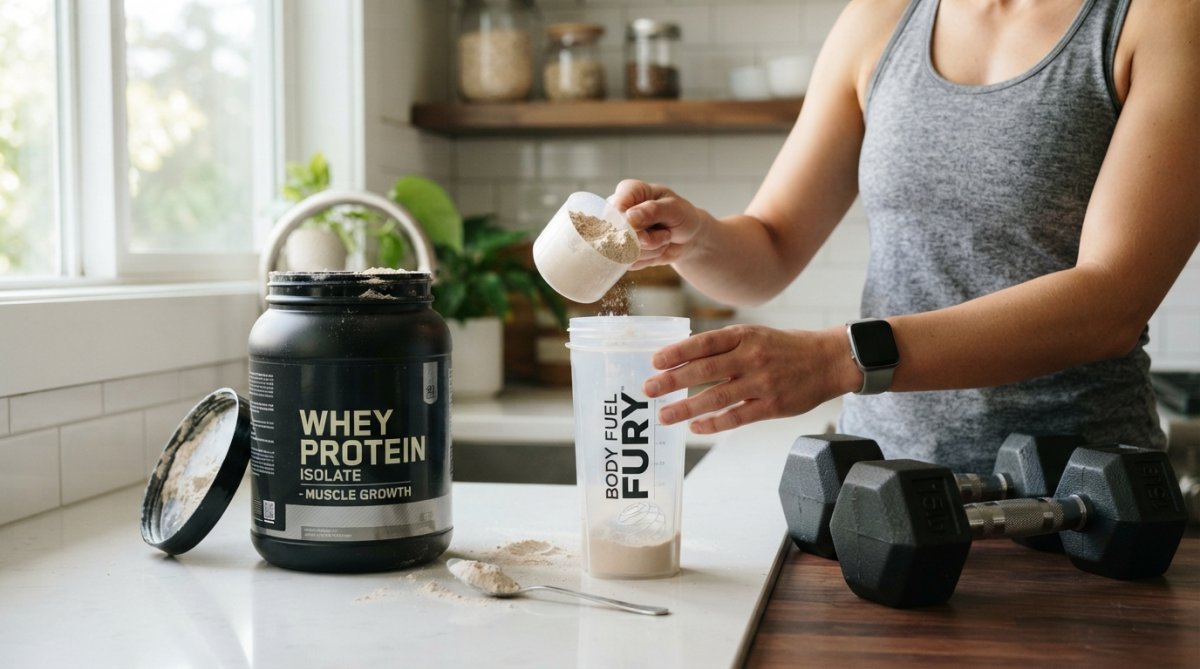
Protein powder meets daily protein intake targets required for muscle protein synthesis. Leucine directly stimulates mTOR signaling, the primary anabolic pathway for muscle growth.
BCAAs and Amino Acid Profiles for Muscle Recovery
Branched-chain amino acids, leucine, isoleucine, and valine, activate mTOR signaling and stimulate muscle protein synthesis, making them valuable for fasted training or extended sessions where amino acid availability is limited.
When BCAAs deliver measurable ROI:
-
Fasted training: Consuming 5-10 grams of BCAA powder 15-20 minutes before training on an empty stomach preserves muscle tissue during the session.
-
Extended training sessions (90+ minutes): A 5-10 gram BCAA dose mid-session reduces fatigue and supports continued performance.
-
Caloric deficit (cutting phase): BCAAs consumed pre-training provide a low-calorie source of amino acids when whole-food timing is impractical.
-
Vegan or plant-based diets: Supplemental BCAAs help vegan lifters reach the leucine threshold (~2.5-3 grams per meal) required to maximize mTOR activation.
Practical application matrix:
| Training Scenario | BCAA Recommendation | Rationale |
|---|---|---|
| Fed training (meal 1-3 hrs before) | Skip | Pre-training meal supplies adequate amino acids |
| Fasted training | 5-10g pre-training | Preserves muscle during amino acid deficit |
| 60-minute resistance session | Skip | Session duration too short for amino acid oxidation to matter |
| 90+ minute session | 5-10g mid-session | Reduces fatigue and muscle breakdown during extended effort |
| Cutting phase, fed training | Skip | Whole-food protein is more cost-effective |
| Cutting phase, fasted training | 5-10g pre-training | Low-calorie amino acid source when whole food is impractical |
| Vegan diet, adequate total protein | 5-10g pre-training | Boosts leucine concentration to threshold for mTOR activation |
How to Spot Third-Party Tested Supplements
Third-party testing verifies supplement quality and safety by screening finished products against label claims, contaminants, banned substances, and heavy metals.
Safe Dosage for Muscle Building Supplements
Creatine monohydrate: 3-5 grams daily, taken with carbohydrates and protein to enhance absorption. Doses above 5 grams daily produce no additional benefit and increase the cost per serving.
FDA Regulation of Dietary Supplements and What It Means
The FDA classifies supplements under DSHEA as foods rather than drugs, requiring far less pre-market approval than pharmaceuticals.
Building Your Supplement Stack: Budget-Conscious Planning
Most lifters over-complicate supplementation by stacking too many products. A tiered, phase-based approach matches supplementation to your current goal and diet protocol.
The ROI Hierarchy: Spend on Impact, Not Hype
-
Tier 1 (Essential, 70% of budget): Protein powder and creatine monohydrate. These address the two largest physiological gaps for most lifters and deliver measurable strength and hypertrophy gains within 4-6 weeks. Combined cost depends on brand and quantity.
-
Tier 2 (High-value, 20% of budget): Pre-workout stimulants (caffeine-based) for early-morning training or low-focus sessions, and magnesium glycinate for sleep quality and recovery. These provide secondary gains in performance and recovery without the cost of Tier 1 items.
-
Tier 3 (Marginal, 10% of budget): BCAAs (only if training fasted), beta-alanine, and multivitamins. Add these only after establishing consistency with Tier 1 and confirming you notice measurable benefits.
Phase-Based Stacking: Bulking vs. Cutting
Bulking Phase Stack (Caloric Surplus, Strength Focus):
- Whey protein isolate: 1-2 servings daily to meet 0.8-1 gram per pound of body weight
- Creatine monohydrate: 5 grams daily (non-negotiable for strength and hypertrophy)
- Pre-workout stimulant: 150-200 mg caffeine per serving, 4-5 days weekly
- Carbohydrate powder (optional): 30-50 grams post-workout to replenish glycogen and enhance protein absorption
- Monthly cost: $50-$75
Cutting Phase Stack (Caloric Deficit, Muscle Preservation):
- Whey protein isolate: 1.2-1.5 servings daily (higher protein ratio in deficit to preserve muscle)
- Creatine monohydrate: 5 grams daily (maintains strength and muscle cell volume despite deficit)
- BCAAs: 5-10 grams pre-training if training fasted (preserves muscle when amino acid availability is limited)
- Magnesium glycinate: 300-400 mg before bed (supports sleep quality, which degrades in deficit)
- Pre-workout stimulant: 150-200 mg caffeine, 4-5 days weekly (sustains performance despite caloric deficit)
-
Diet-Specific Stacking Protocols
Vegan/Plant-Based Protocol:
- Whey protein isolate → Replace with pea protein isolate or hemp protein blend (complete amino acid profile, though leucine concentration is lower)
- Add BCAA supplement: 5-10 grams pre-training to boost leucine concentration to threshold for mTOR activation (~2.5-3 grams per meal). Plant proteins average 1.5-2 grams leucine per 20-gram serving; animal proteins average 2.5-3 grams. BCAAs close this gap.
- Creatine monohydrate: 5 grams daily (vegan diets are typically lower in creatine from meat sources; supplementation is more impactful)
- Vitamin B12: 1000 mcg weekly or 25-100 mcg daily (plant sources lack bioavailable B12; deficiency impairs energy and recovery)
- Monthly cost: $70-$100 (higher due to plant-based protein cost and B12 supplementation)
Ketogenic Diet Protocol:
- Whey protein isolate: 0.8-1 gram per pound of body weight (same as standard, but sourced from higher-fat cuts of meat; protein powder becomes more critical for hitting targets without excess carbs)
- Creatine monohydrate: 5 grams daily (ketogenic adaptation increases creatine utilization; supplementation is particularly valuable)
- Electrolytes (sodium, potassium, magnesium): 500-1000 mg sodium, 2000-3000 mg potassium, 300-400 mg magnesium daily. Ketogenic diets increase mineral excretion; electrolyte imbalance impairs performance and recovery.
- Pre-workout stimulant: Use caffeine-only formulas; avoid pre-workouts with sugar or high-carb fillers
- Skip: Carbohydrate powder post-workout (conflicts with ketogenic adaptation)
-
Intermittent Fasting Protocol:
- Whey protein isolate: Consume 1-2 servings during eating window to meet daily targets (fasting window provides no protein)
- BCAAs: 5-10 grams 15-20 minutes before training if training during fasting window (preserves muscle when amino acids are unavailable)
- Creatine monohydrate: 5 grams daily, consumed during eating window with carbohydrates and protein (enhances absorption)
- Pre-workout stimulant: Caffeine-only formula 30 minutes before training (caffeine does not break fast; carb-containing pre-workouts do)
- Magnesium glycinate: 300-400 mg before bed (supports sleep quality, which can suffer with fasting protocols)
- Monthly cost: $50-$75
Sample Budget Stacks by Goal
Baseline Stack (All Protocols): $40-$60/month
- Whey protein (bulk purchase): $20-$30
- Creatine monohydrate: $8-$12
- Pre-workout (caffeine-based): $12-$18
Optimized Bulking Stack: $60-$85/month
- Add: Carbohydrate powder ($15-$20) and magnesium glycinate ($8-$12)
Optimized Cutting Stack: $75-$105/month
- Add: BCAAs ($12-$18), magnesium glycinate ($8-$12), and higher-quality whey isolate ($10-$15 additional)
Frequently Asked Questions
What are the top supplements for muscle growth?
The most effective supplements for muscle growth include whey protein isolate (24g per serving for muscle protein synthesis), creatine monohydrate (5g daily for strength and cell hydration), and branched-chain amino acids (BCAAs in a 2:1:1 ratio). Protein powder supports post-workout recovery, creatine increases ATP production for explosive strength, and BCAAs prevent muscle breakdown during training. These three form the foundation of most evidence-based supplement protocols.
How does creatine monohydrate benefit muscle hypertrophy?
Creatine monohydrate increases cellular hydration and ATP availability, allowing muscles to perform more work during training. This leads to greater mechanical tension and muscle damage, two primary drivers of hypertrophy. Studies show creatine users gain approximately 1-2 kg more lean mass over 8-12 weeks compared to placebo. It also supports nitrogen balance, which is essential for muscle protein synthesis and anabolic adaptation.
How do I know if a supplement is third-party tested?
Look for certifications from NSF Certified for Sport, Informed Choice, or USP (United States Pharmacopeia) on the product label. Third-party tested supplements have been independently verified for purity, potency, and absence of banned substances. Check the manufacturer's website for a Certificate of Analysis. Avoid products that only claim 'lab-tested' without naming the testing organization.
What is the safe dosage for muscle building supplements?
Creatine monohydrate: 5g daily (no loading phase required). Whey protein: 20-40g per serving, 1-2 times daily. BCAAs: 5-10g per serving during or after training. Beta-Alanine: 3-5g daily in divided doses. These dosages are supported by clinical trials and carry minimal risk when taken consistently. Start at the lower end and adjust based on your training volume and body weight. Always stay hydrated and consult a healthcare provider if you have kidney concerns.
How does the FDA regulate dietary supplements?
The FDA regulates dietary supplements under the Dietary Supplement Health and Education Act (DSHEA). Manufacturers are responsible for ensuring safety and accurate labeling before products reach consumers. The FDA does not pre-approve supplements like medications, but it monitors reports of adverse effects and can remove unsafe products. Reputable brands undergo third-party testing to exceed FDA requirements. Always verify that your supplements comply with DSHEA and carry appropriate warning labels.
Should beginners take muscle growth supplements?
Beginners should prioritize proper nutrition and training before supplementing. A caloric surplus, adequate protein intake (0.7-1g per pound of body weight), and consistent resistance training drive most early gains. Once fundamentals are solid, whey protein isolate is the safest entry point, it simply fills gaps in daily protein intake. Creatine becomes valuable after 8-12 weeks of consistent training. Avoid pre-workout stimulants and complex stacks until you have 6+ months of training experience.
Can supplements interact with specific diets?
Yes. Creatine requires adequate hydration and may interact with high-protein, low-carb diets if you're not eating enough carbohydrates for muscle glycogen. BCAAs are less effective if you're already consuming complete protein sources throughout the day. Stimulant-based pre-workouts can interfere with fasted-state training protocols. If you follow a vegetarian or vegan diet, whey protein may not align with your choices, plant-based alternatives exist. Discuss your diet and supplement plan with a nutritionist to avoid redundancy or conflicts.