 ultimate-guide
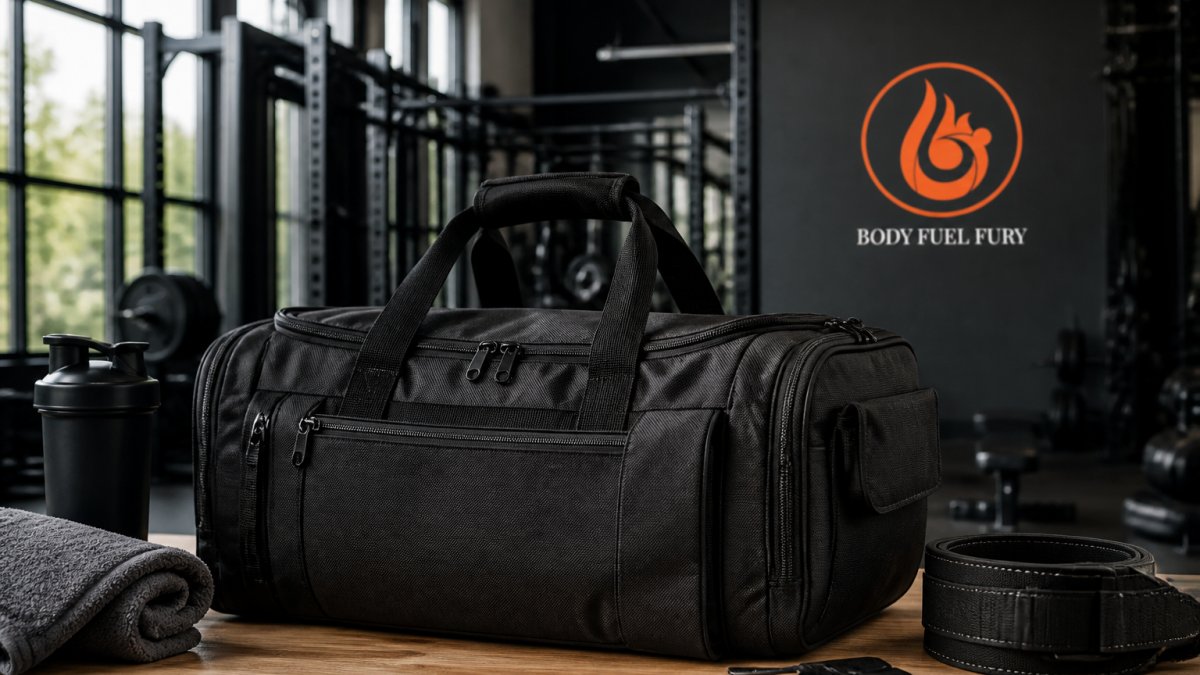
What to Look for in a Durable Gym Bag 2026
Table of Contents
- Key Durability Factors in a Durable Gym Bag
- Best Materials for Gym Bags
- Organization and Compartmentalization
- Comfort and Carry Design
- Size and Capacity Requirements
- How to Clean a Gym Bag
- What to Avoid When Choosing a Durable Gym Bag
- Frequently Asked Questions
Last Updated: September 28, 2026
Key Durability Factors in a Durable Gym Bag
A durable gym bag is built on three foundational elements: the materials it uses, the construction techniques that hold it together, and the hardware that bears the load. When you're investing in fitness gear that needs to survive daily workouts, sweat, moisture, and the occasional rough handling, these factors separate bags that last years from ones that fall apart in months.
The right durable gym bag protects your investment and adapts to how you actually work out.
Material Durability and Fabric Strength
The fabric you choose determines how well your bag resists abrasion, moisture, and general wear. Materials matter more than brand names or aesthetics.
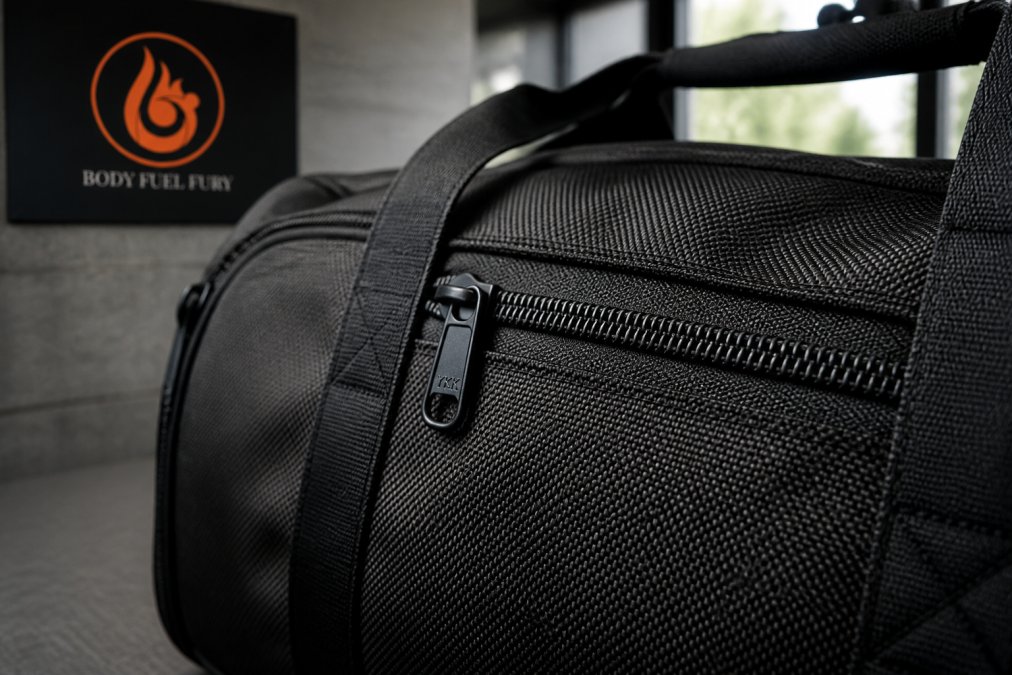
Ballistic nylon offers exceptional tear strength and abrasion resistance. Most quality gym bags use 600-1000 denier ballistic nylon (denier measures yarn thickness), which balances weight and protection while resisting friction from gym equipment and rough surfaces.
Canvas is breathable and helps with odor control, but requires water-repellent treatment to resist moisture damage.
Polyester blends are common in budget options, but they wear faster under repeated stress. The fabric pilling and thinning becomes visible within six months of regular use.
Reinforced Stitching and Seam Integrity
Weak seams cause bags to fail at stress points within weeks, regardless of fabric quality.
Look for double-stitching or box-stitching at high-stress areas: base corners, handle attachment points, and pocket edges. Single-line stitching fails predictably under concentrated weight.
Polyester thread resists moisture and UV damage better than cotton. Tight, consistent seams indicate quality construction; loose or uneven stitching is a red flag.
Quality construction reinforces interior seams as well, bags that only reinforce exterior stitching fail from the inside out.
Hardware Quality and Load-Bearing Capacity
Zippers, buckles, and clips are the failure points most people overlook until they fail mid-workout.
YKK zippers are the industry standard, engineered for load-bearing and rated for at least 5,000 open-close cycles. Test the zipper action; it should glide smoothly without catching.
Metal buckles and D-rings distribute weight reliably; plastic hardware cracks under stress and temperature changes. Use stainless steel or powder-coated aluminum.
Reinforced stitching around all hardware attachment points is critical, even quality zippers fail if sewn on with weak thread.
Best Materials for Gym Bags
Not all durable materials perform equally across different conditions. Your choice depends on your specific training environment and how you use the bag.
Ballistic Nylon and Abrasion Resistance
Ballistic nylon's tight weave and thick fibers resist scratching, scuffing, and pilling from repeated contact with rough surfaces.
Its exceptional strength-to-weight ratio delivers heavy-duty protection without excessive bulk.
Ballistic nylon requires a water-repellent coating to repel moisture effectively.
Water-Repellent Coatings and Weatherproofing
Water-repellent coatings create a protective barrier that prevents sweat, rain, and gym floor moisture from soaking through (though they won't protect a fully submerged bag).
Common coatings include polyurethane (durable and flexible) and silicone (superior water beading). The best durable gym bags use multi-layer coatings protecting both exterior and interior.
Look for bags that mention "DWR" (durable water repellent) in their specifications. This indicates the coating is designed to last through washing and use without degrading quickly.
Organization and Compartmentalization
Compartmentalization affects how weight distributes and where stress concentrates on seams, zippers, and attachment points.
How Compartment Design Affects Load Distribution
Multiple compartments spread stress across more seam lines. A single large cavity creates pressure points where heavy items push against walls and bottom, exactly where seams fail first.
Quality durable bags use compartments strategically:
- Base compartment (largest): Carries heavy items (shoes, weights, dense gear) and distributes that load across the widest, strongest part of the bag.
- Mid-section compartments: Separate medium-weight items (clothes, towels) and prevent them from shifting into the base, which would concentrate weight unevenly.
- Upper compartments: Hold lightweight, frequently accessed items (phone, keys, earbuds) away from the bag's structural stress zones.
This vertical stacking prevents any single seam from bearing the full load of your gear. Bags without this separation force all weight into the bottom corners and side seams, exactly where failures occur.
Dedicated Shoe Compartment and Ventilation
A dedicated shoe compartment prevents wet or dirty footwear from contaminating clean clothes and equipment. But durability-wise, the compartment's ventilation is what extends the bag's lifespan.
Unventilated shoe compartments trap moisture, weakening fibers and degrading coatings. Look for mesh panels or air holes on at least two sides to allow moisture to escape.
The compartment should accommodate standard training shoes without forcing them in, and allow air circulation to speed moisture evaporation.
Position the compartment at the bag's base or lower side to keep wet shoes away from dry clothes and prevent moisture from wicking upward.
Wet-Dry Separation and Material Longevity
Wet-dry separation prevents moisture from spreading throughout the bag and damaging electronics or clean apparel.
The wet compartment should have a waterproof or water-resistant lining (TPU or PVC-coated fabric) to protect the bag's structure from moisture penetration.
Exterior or upper quick-access pockets reduce how often you expose the interior to air and moisture.
Compartment Count vs. Functional Design
Functionality matters more than compartment count. Poorly designed compartments create dead space where items shift, concentrating stress on random seam points.
Look for bags where compartments separate categories naturally:
- Shoes (ventilated, isolated)
- Wet items (moisture-resistant lining)
- Dry clothes (protected from moisture)
- Accessories and electronics (quick-access, protected)
Each compartment should have a clear purpose and be sized appropriately for that purpose. Oversized compartments allow items to shift; undersized ones force overstuffing. Either scenario stresses seams and zippers beyond their design limits.
Comfort and Carry Design
Even the most durable gym bag becomes a liability if it's uncomfortable to carry. Poor ergonomics force you to adjust your grip constantly, which accelerates wear on handles and straps.
Ergonomic Shoulder Straps and Weight Distribution
Padded, wide shoulder straps distribute weight without digging in. Narrow straps concentrate pressure and stress stitching at attachment points.
Straps should connect at the bag's widest point to keep weight centered against your body.
Adjustable straps with multiple adjustment points let you customize fit and carry height.
Padded Handles and Impact Absorption
Padded handles reduce hand fatigue and should be firm enough to maintain shape under load.
Handles that wrap around the perimeter or connect at multiple points distribute stress better than single-attachment handles. Double-stitched seams are essential.
The material covering the padding matters. Neoprene or thick canvas provides grip and durability. Thin fabric over padding wears through quickly, exposing the padding underneath and creating a deteriorating appearance.
Size and Capacity Requirements
A bag that's too small forces overstuffing; one that's too large creates dead space where items shift, concentrating stress unevenly.
Calculating Capacity by Training Type
Different training styles demand different volumes. Rather than guessing, map your actual gear to liters:
Strength training (weightlifting, powerlifting): You typically carry shoes, socks, shorts, shirt, underwear, a towel, and a water bottle. This baseline is roughly 20-25 liters. If you add wrist wraps, a lifting belt, knee sleeves, and a change of clothes for post-workout, you're at 30-35 liters. A dedicated shoe compartment alone adds 3-5 liters of usable space.
Cardio and group fitness (running, cycling, spin classes): Lighter gear, minimal clothing, shoes, a small towel, and a water bottle, fits comfortably in 25-30 liters. If you're transitioning to work afterward, add 5-10 liters for work clothes and toiletries.
Combat sports and grappling (BJJ, wrestling, boxing): Gi or rashguard, shorts, gloves, hand wraps, shin guards, and a towel push you into 35-45 liters.
Volume and Structural Integrity
A bag that collapses when half-full creates uneven stress points. Look for bags with internal frames, rigid base panels, or structured sidewalls that maintain shape.
Accounting for Gear Growth
Most people underestimate how much gear they accumulate. If you're returning to fitness or building a training routine, you'll likely add equipment over time, extra shoes, more clothing options, recovery tools, or sport-specific gear. Choose a bag with 10-15 liters of headroom beyond your current baseline.
How to Clean a Gym Bag
Maintenance directly extends your durable gym bag's lifespan. Regular cleaning prevents odor buildup, mold growth, and material degradation.
Regular Maintenance and Spot Cleaning
Spot cleaning after each use prevents sweat and moisture from setting into the fabric. Use a damp cloth to wipe down the interior and exterior, focusing on areas that contacted skin or wet clothes.
Deep Cleaning and Odor Control
Deep cleaning every 4-6 weeks maintains the bag's condition. Machine washing is generally safe for gym bags if you use a gentle cycle with cold water and mild detergent. Check the manufacturer's instructions first, as some bags have special coatings that require hand washing.
What to Avoid When Choosing a Durable Gym Bag
Common mistakes in gym bag selection often seem minor until they manifest as failures during training.
Frequently Asked Questions
What material is best for a durable gym bag?
Ballistic nylon and heavy-duty polyester with water-repellent coatings offer the best durability for gym bags. Look for bags with reinforced stitching, YKK zippers, and abrasion-resistant fabric with high denier ratings (1000D or higher). These materials resist tearing, moisture, and daily wear from equipment and sweat better than lightweight alternatives.
Why does a gym bag with shoe compartment benefits matter?
A dedicated shoe compartment keeps dirty footwear separated from clean clothes and gear, preventing odor transfer and moisture contamination. This wet-dry separation protects your other items and extends the life of your apparel. Shoes can also damage lighter fabrics, so compartmentalization reduces abrasion to the main storage area and keeps everything organized during the gym-to-office transition.
How do I know if a gym bag zipper is high quality?
High-quality zippers use YKK or similar premium hardware with smooth, consistent operation and heavy-duty slider mechanisms. Check that the zipper moves without catching or grinding, teeth are tightly spaced, and the slider has adequate weight and durability. Quality zippers should handle repeated use without jamming, which is critical for load-bearing capacity and long-term reliability.
How often should I clean my gym bag to maintain durability?
Spot-clean your gym bag weekly to remove sweat, moisture, and odor buildup that can degrade materials over time. Deep clean monthly using mild soap and water, paying special attention to seams and the interior. Allow it to air dry completely to prevent mildew and antimicrobial lining breakdown. Regular maintenance prevents moisture damage and extends the life of reinforced stitching and water-repellent coatings.