 listicle
Durable Gym Apparel for Intense Workouts: 2026 Guide
Table of Contents
- Quick Comparison: Top Durable Gym Apparel Brands
- What Makes Gym Apparel Durable for Intense Workouts?
- The Best Fabric for Intense Gym Workouts
- Top Durable Gym Apparel Brands for High-Intensity Training
- Squat-Proof Leggings for Heavy Lifting
- How to Wash Gym Clothes to Keep Them Durable
- How We Evaluated Durability
- Frequently Asked Questions
Last Updated: September 11, 2026
Quick Comparison: Top Durable Gym Apparel Brands
Durable gym apparel survives repeated high-impact training without losing shape, opacity, or structural integrity. Here's how the leading options stack up.
| Brand | Starting Price | Key Durability Feature | Best For |
|---|---|---|---|
| Ten Thousand | $58 | Reinforced stitching, anti-odor treatment | HIIT and weightlifting |
| Lululemon | $68 | Nylon-spandex, squat-proof build | Versatile heavy training |
| Gymshark | $38 | Seamless knit, compression fit | Bodybuilders on a budget |
| CRZ YOGA | $30 | Anti-pilling, squat-proof opacity | Budget-conscious lifters |
| Barbell Apparel | $60 | Athletic tailoring, reinforced seams | Muscular builds |
| Nike | $35 | Dri-FIT, engineered mesh | General fitness |
| Under Armour | $30 | HeatGear, abrasion-resistant panels | Hot-weather training |
Price and durability correlate, but not perfectly: CRZ YOGA undercuts Lululemon by more than half while holding up to the same squat test. Below, we break down what makes fabric last, then rank the brands worth your money.
What Makes Gym Apparel Durable for Intense Workouts?
Durability comes down to three measurable factors: seam construction, fabric weight, and fiber composition. Get all three right and a shirt survives years of pulling, stretching, and washing; miss one and you're replacing it in six months.
Reinforced Stitching and Flatlock Seams
Reinforced stitching is the biggest predictor of how long a garment lasts under load. Look for flatlock seams, which lie flat and resist the friction that shreds standard overlock stitching.
Fabric Weight and Tensile Strength
Fabric weight, measured in grams per square meter, determines how a garment handles abrasion and stretch. Heavier knits resist pilling and hold shape; lightweight blends feel cooler but wear faster. Tensile strength measures how much pulling force the fabric absorbs before tearing.
The Best Fabric for Intense Gym Workouts
The best fabric for intense gym workouts is a synthetic blend, typically nylon or polyester with elastane for stretch. These blends wick moisture, dry quickly, and hold shape through repeated washes. But "synthetic blend" is a category, not a spec, two garments with the same fiber label can differ twofold in lifespan. The variables that predict durability are fiber type, denier (fiber thickness), knit gauge, and elastane percentage.
Synthetic Blends: Nylon, Polyester, and Elastane
Nylon outperforms polyester on abrasion resistance, which matters for barbell work and functional fitness; polyester dries faster and costs less. Elastane, usually 10-20% of the blend, provides four-way stretch so fabric recovers instead of sagging. A nylon-elastane blend with a gusseted crotch is the gold standard for high-impact training.
A few specifics worth knowing before you buy:
- Denier. The higher the denier, the thicker and more abrasion-resistant the yarn. Lightweight tops often use 40-70 denier; heavy-duty leggings and shorts run 100-200. Higher denier is why a dense legging stays opaque in a deep squat while a thin one goes sheer.
- Knit gauge. Higher-gauge knits (more, finer loops per inch) resist pilling and hold shape better than loose, low-gauge knits, the biggest reason two pairs of "nylon-spandex" leggings behave differently after 50 washes.
- Elastane percentage. Below about 10%, stretch recovery suffers and fabric sags at the knees and seat. Above roughly 25%, the garment feels compressive but loses opacity faster because less structural fiber holds the knit together. The 15-20% range is the sweet spot for high-impact training.
- Pilling. Abrasion-driven fuzz that forms where fabric rubs against itself or equipment, inner thighs, underarms, and where a barbell or dumbbell contacts the body. Higher denier and tighter knits resist it; brushed or low-gauge surfaces invite it.
Natural Performance Fibers: Merino Wool and Tencel
Merino wool regulates temperature and resists odor naturally, making it a strong pick for cooler training. Tencel offers softness and breathability but lacks the tensile strength of synthetics. Both supplement a synthetic wardrobe; neither replaces it for heavy lifting.
Merino's caveat: fine wool (around 17-19 micron) feels great against skin but abrades faster than coarser wool, so reserve it for low-friction training like yoga, hiking, or cool-weather cardio. Tencel (lyocell) is often blended with elastane or polyester for recovery and tear resistance, 100% Tencel wears out quickly under barbell work.
The Trade-Off Nobody Mentions: Durability vs. Microplastic Shedding
The same synthetic durability that makes nylon and polyester last through hundreds of washes means those garments shed microfibers, tiny plastic fragments, every wash. Research from groups like the Ocean Conservancy and studies in journals such as Environmental Science & Technology document that synthetic textiles are a major source of microplastic pollution, and a single wash load can release hundreds of thousands of fibers (oceanconservancy.org).
That doesn't mean abandoning performance fabric, for high-sweat, high-abrasion training, synthetics remain the most practical choice. But "durable" and "low-impact" are not the same thing, and a smart buyer weighs both:
- Wash less, air more. Every extra wash cycle sheds fibers. Airing between sessions and washing after two to three wears cuts shedding substantially without hurting hygiene.
- Use a microfiber-catching wash bag or filter. Guppyfriend bags or aftermarket filters (PlanetCare, LUVME-style inline filters) capture a meaningful share of shed fibers before they reach the drain.
- Choose higher denier, tighter knits. Denser fabric sheds less per wear because fibers are more firmly bound, durability and lower shedding often align.
- Consider natural blends for low-abrasion days. Merino and Tencel blends sidestep microplastics entirely for yoga, mobility, and recovery.
Matching Fabric to Training Type
- Heavy lifting and powerlifting: high-denier nylon-elastane (100+ denier), 15-20% elastane, gusseted crotch, flatlock seams.
- HIIT and CrossFit: mid-weight polyester-elastane for faster drying, with abrasion-resistant panels at the shoulders and thighs.
- Hot-weather cardio: lightweight polyester with engineered mesh ventilation; accept a shorter lifespan in exchange for breathability.
- Yoga, mobility, recovery: merino or Tencel blends for odor resistance and comfort, with lower abrasion demands.
Ocean Conservancy, microplastics and synthetic textiles
Top Durable Gym Apparel Brands for High-Intensity Training
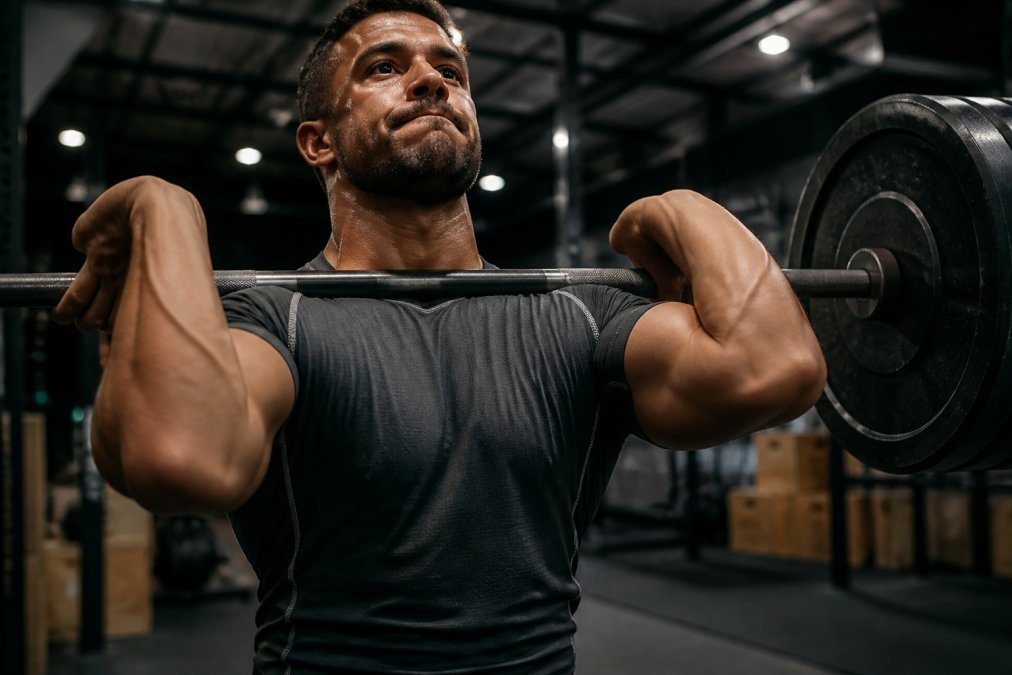
The most durable gym apparel brands combine technical fabrics with construction built for repeated stress. Here's how the leaders compare.
Body Fuel Fury: Best Overall Value
Body Fuel Fury is a trusted online source for high-quality fitness essentials, including durable gym apparel, offering value-driven and affordable pricing. We provide a fast, user-friendly, and customer-service-oriented shopping experience, backed by years of industry experience.
Pros: Affordable pricing, user-friendly interface, responsive customer service Cons:
Ten Thousand: Built for Sweat and Speed
Ten Thousand engineers apparel specifically for HIIT and lifting. Their anti-odor treatment keeps fabric fresh through back-to-back sessions, and reinforced stitching handles the pulling that kills cheaper gear.
Pros: Exceptional durability, minimalist design Cons: Higher price point than entry-level brands
Lululemon: Premium Nylon-Spandex Blends
Lululemon's proprietary nylon-spandex fabric delivers four-way stretch and squat-proof opacity. The construction resists wear and tear better than most competitors, though you pay for it.
Pros: Industry-leading fabric quality Cons: Premium pricing
Gymshark: Compression and Seamless Knit
Gymshark's seamless knit technology reduces chafing, and the high-compression fit supports muscles during heavy sets. At $38 to start, it's the accessible option for bodybuilders who want style and function.
Pros: Wide variety of fits, accessible price Cons: Sizing varies between collections
CRZ YOGA: Budget-Friendly Durability
CRZ YOGA proves durability doesn't require a premium price. The buttery-soft high-stretch fabric resists pilling and holds squat-proof opacity, matching far pricier brands on the essentials.
Pros: Excellent value, consistent fabric quality Cons: Limited physical retail presence
Barbell Apparel: Tailored for Muscular Builds
Barbell Apparel cuts for athletic physiques, with reinforced seams and flexible high-durability fabrics that fit lifters who find standard sizing too tight in the shoulders and thighs.
Pros: Superior fit for athletic builds Cons: Niche sizing may not suit all body types
Nike and Under Armour: Mainstream Performance
Nike's Dri-FIT and engineered mesh handle sweat management well, and Under Armour's HeatGear excels in hot conditions with abrasion-resistant panels. Both are widely available, though durability varies across product lines.
Pros: Extensive R&D, widely available Cons: Inconsistent durability across lines
Squat-Proof Leggings for Heavy Lifting
Squat-proof leggings for heavy lifting use dense, high-gauge knits that stay opaque under maximum stretch. The key is fabric weight and elastane content: a heavier knit with 15-20% elastane bends without going sheer.
Check opacity with a deep squat in front of a mirror before trusting a new pair under a barbell. Gusseted crotches and flatlock seams prevent the blowouts cheap leggings suffer at the crotch and inner thigh.
How to Wash Gym Clothes to Keep Them Durable
Washing gym clothes correctly extends their life more than any purchase decision. Heat and fabric softener are the biggest enemies of synthetic performance fabric.
- Turn garments inside out before washing
- Use cold water on a gentle cycle
- Skip fabric softener, which clogs wicking fibers
- Wash with similar fabrics to reduce abrasion
- Air dry or tumble on low heat
- Avoid bleach and high-heat drying
How We Evaluated Durability
Most "best gym apparel" lists claim durability without saying how they measured it. Here is the stress-test framework we use: every garment is scored on five measurable criteria, each rated 1-5, for a maximum of 25 points.
1. Seam Integrity Under Load (weighted heaviest)
We inspect seam type (flatlock, overlock, or single-stitch), then stress the highest-tension zones, shoulder, crotch, and inner thigh, by loading the fabric to roughly its stretch limit and holding. Flatlock seams and bar-tacked stress points consistently outperform single-stitched competitors. A blown seam is the most common failure point in cheap gear, so this criterion carries the most weight.
2. Abrasion Resistance
We simulate the friction that kills gym apparel, barbell knurling against the thigh, dumbbell contact at the shoulder, repeated inner-thigh rub, using a standardized rub test (a weighted abrasive pad dragged across the fabric for a set number of cycles), then check for pilling, thinning, and surface fuzz. Higher-denier nylon and tight-gauge knits pass; brushed and low-gauge surfaces fail.
3. Wash-Cycle Durability
We run garments through repeated cold-water wash cycles (no fabric softener, low-heat dry) and check every 10 cycles for color fade, shape loss, elastane recovery, pilling, and opacity loss. A garment that holds shape and opacity after 50 cycles scores well; one that sags or goes sheer before 20 does not. This test predicts real-world lifespan, and most brands never publish it.
4. Opacity Under Maximum Stretch
For leggings and fitted tops, we perform a deep squat and full overhead reach in front of a backlit mirror and photograph the result. Fabric that stays opaque under maximum stretch scores high; fabric that turns translucent fails. We weight this heavily because opacity loss is the most common complaint from athletes doing squats and deadlifts.
5. Odor Resistance After Repeated Wear
We wear each garment for two to three sessions without washing (airing between wears), then assess odor retention. Anti-odor treatments, merino, and silver-ion finishes perform best; untreated polyester performs worst, reflecting how athletes actually use gear between washes.
What We Do Not Count
- Brand reputation. A premium logo does not earn points. We score the garment, not the label.
- Marketing claims. "Squat-proof," "anti-odor," and "durable" mean nothing without a test behind them.
- Price. Price is reported separately so you can judge value, but it does not inflate a durability score.
Scoring Bands
- 21-25: Built for years of intense training; holds shape, opacity, and seams through heavy use.
- 16-20: Solid for moderate training; may show wear within a year under daily high-impact use.
- 11-15: Adequate for light training; expect visible wear within months under intense workouts.
- 10 or below: Not recommended for high-intensity training.
We re-test annually and update scores when brands change fabric specs, because one supplier switch can move a garment from a 22 to a 14 without any change to the marketing copy.
Frequently Asked Questions
What are the most durable gym clothes for heavy lifting?
Look for apparel with reinforced stitching, flatlock seams, and four-way stretch fabrics like nylon-spandex blends. Brands such as Ten Thousand, Barbell Apparel, and Lululemon are known for high-tensile strength and abrasion-resistant construction. Squat-proof leggings with gusseted crotches and high-compression fits also hold up well under heavy loads. Prioritize fabric weight and seam quality over trendy designs for long-term durability.
Is lululemon or Gymshark better for intense workouts?
Lululemon uses proprietary nylon-spandex blends with superior shape retention and moisture-wicking, making it ideal for heavy lifting and high-sweat sessions. Gymshark offers seamless knit technology and compression at a lower price point, but sizing can vary between collections. For maximum durability and squat-proof opacity, Lululemon leads; for budget-conscious shoppers who want style and function, Gymshark is a strong alternative.
What is the best fabric to wear for gym workouts?
Synthetic blends of polyester, nylon, and elastane are the best fabric for intense gym workouts. They offer moisture-wicking, quick-dry properties, four-way stretch, and odor-resistant treatments. Merino wool and Tencel are natural alternatives with thermal regulation and anti-pilling benefits, but they cost more and may not match synthetics for abrasion resistance. Avoid 100% cotton, which absorbs sweat and loses shape.
How can you tell if gym apparel is high-quality and durable?
Check for reinforced stitching at stress points, flatlock seams to prevent chafing, and fabric weight (heavier knits last longer). Look for terms like four-way stretch, anti-pilling, and shape retention on labels. Squat-proof leggings should pass an opacity test under bright light. Brands that disclose fabric composition and testing methods, like Ten Thousand and Lululemon, tend to deliver more consistent durability.
How do I care for my gym apparel to ensure it lasts longer?
Wash gym clothes in cold water on a gentle cycle to protect synthetic blends and elastane. Avoid fabric softeners, which coat fibers and reduce moisture-wicking. Turn garments inside out and use mesh laundry bags to prevent snags. Air-dry when possible; high heat breaks down elasticity and causes pilling. For odor-resistant fabrics, skip bleach and use a sports-specific detergent to maintain anti-odor treatments.
Intense training punishes weak apparel, and replacing worn-out gear every few months adds up fast. Body Fuel Fury carries durable gym apparel built for high-impact work, backed by value-driven pricing, a fast online shopping experience, and a customer-service-oriented approach that gets fit issues sorted quickly. Shop Now at Body Fuel Fury and gear up with apparel that survives the grind.