 ultimate-guide
How to Choose Quality Workout Apparel: A Buyer's Guide
Table of Contents
- What Makes Quality Workout Apparel Different
- Understanding Best Moisture-Wicking Fabrics
- Durable Gym Apparel for Intense Workouts
- Finding the Right Fit for Your Body Type
- Key Features That Signal Quality
- How to Care for Workout Clothes to Extend Durability
- Matching Apparel to Your Workout Type
- Quality Without Breaking Your Budget
- Frequently Asked Questions
Last Updated: August 29, 2026
What Makes Quality Workout Apparel Different
Quality workout apparel prioritizes function over marketing, engineered to handle sweat management, movement, and repeated washing without degradation. The gap between quality and mediocre apparel shows up within weeks: seams separate, elasticity fails, colors fade, or fabric pills. Real quality addresses three core demands: efficient moisture management, resistance to friction and washing degradation, and maintained fit across dozens of training cycles.
Understanding Best Moisture-Wicking Fabrics
Moisture-wicking pulls sweat away from your skin to the surface where it evaporates, keeping you cooler and preventing chafing. Synthetic fibers like polyester and nylon achieve this through capillary action, moving moisture outward faster than natural fibers. High-quality performance fabrics include elastane (spandex) for stretch without sacrificing wicking performance.
Synthetic Fibers vs. Natural Blends
Synthetic fibers dominate quality workout apparel because they outperform natural alternatives in moisture management. Polyester is the industry standard, durable, affordable, and consistently wicks sweat. Nylon offers similar performance with slightly better elasticity. Natural blends compromise moisture-wicking for casual comfort. Pure cotton absorbs and holds sweat, making it unsuitable for intense training. High-intensity training demands pure synthetic fabrics; lower-impact activities can tolerate blends if breathability is prioritized.
How Moisture-Wicking Works During Exercise
During intense exercise, moisture-wicking fabrics interrupt sweat pooling at the garment level. Polyester's hydrophobic properties on the inside and hydrophilic properties on the outer surface pull moisture away from skin and push it outward for faster evaporation. Quality matters because fabric weight, weave density, and finish treatments affect wicking speed. Premium performance apparel often feels thinner than casual athletic wear because it's engineered for function, not bulk.
Durable Gym Apparel for Intense Workouts
Durability depends on fabric weight, seam construction, and resistance to pilling and fading. Intense workouts create friction that low-quality apparel can't withstand.
Seam Construction and Chafing Prevention
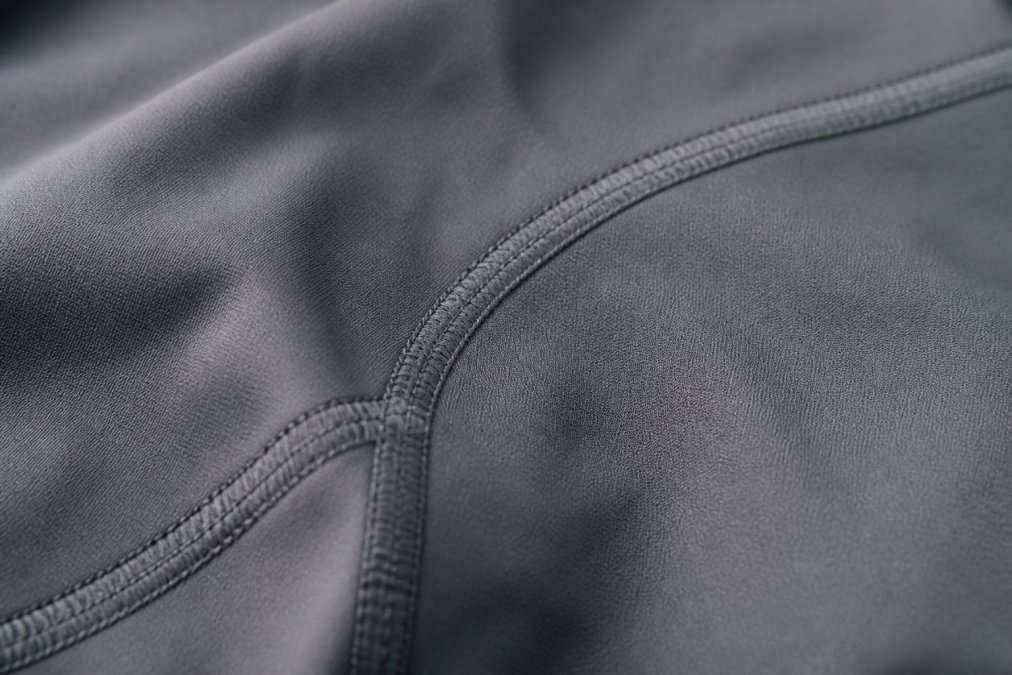
Flatlock seams lay flat against fabric with minimal bulk, reducing friction and preventing chafing. Seamless construction eliminates seams entirely in high-friction areas like underarms and torso, the gold standard for intense training. When evaluating apparel, run your fingers along seams. Quality seams feel smooth and lie flat; cheap seams feel raised and rough. This tactile difference directly correlates with comfort during workouts.
Fabric Weight and Longevity
Fabric weight, measured in grams per square meter (gsm), indicates durability (astm.org). Lightweight fabrics (under 150 gsm) are breathable but less durable. Medium weight (150-250 gsm) balances breathability with longevity. Heavy weight (over 250 gsm) offers maximum durability but sacrifices ventilation. For intense workouts, medium-weight synthetic fabrics offer the best compromise. Apparel with proper seam reinforcement and quality elastane blends can maintain performance through many wash cycles, while cheaper alternatives may show visible degradation sooner.
Finding the Right Fit for Your Body Type
Fit determines whether apparel performs as intended. A shirt too loose won't support properly during high-impact activity; too tight restricts movement and causes chafing. Different body types require different considerations: broader shoulders need adequate sleeve coverage, longer torsos need sufficient length to prevent riding up, athletic builds benefit from tapered fits, and curvier body types need strategic stretch zones and support.
Coverage, Support, and Range of Motion
Quality apparel provides coverage without restricting movement through strategically placed support zones. Four-way stretch fabrics stretch forward and backward, side to side, and diagonally, allowing unrestricted movement in any direction. Test range of motion before purchasing: raise your arms overhead, bend sideways, and perform a deep squat. Quality apparel should move with your body, not against it.
Key Features That Signal Quality
Breathability, Elasticity, and Thermal Regulation
Breathability uses ventilation zones, strategically placed mesh panels in areas prone to heavy sweating. Elasticity refers to how fabric stretches and returns to its original shape; quality apparel uses high-grade elastane (typically 10-20% of the blend) that maintains stretch through dozens of wash cycles (peer-reviewed research). Thermal regulation comes from fabric construction and fiber choice; lightweight synthetic blends excel by wicking moisture efficiently and allowing air circulation.
Anti-Microbial and Quick-Dry Properties
Anti-microbial treatments prevent bacteria and odor growth. Quality apparel often includes silver-ion or copper-ion technology that inhibits microbial growth without harsh chemicals. Quick-dry properties mean premium fabrics dry faster than standard synthetics, which matters if you're training multiple times daily or traveling frequently.
How to Care for Workout Clothes to Extend Durability
How you wash and store apparel dramatically affects its lifespan. Most damage comes from improper care rather than wear.
Washing, Drying, and Storage Best Practices
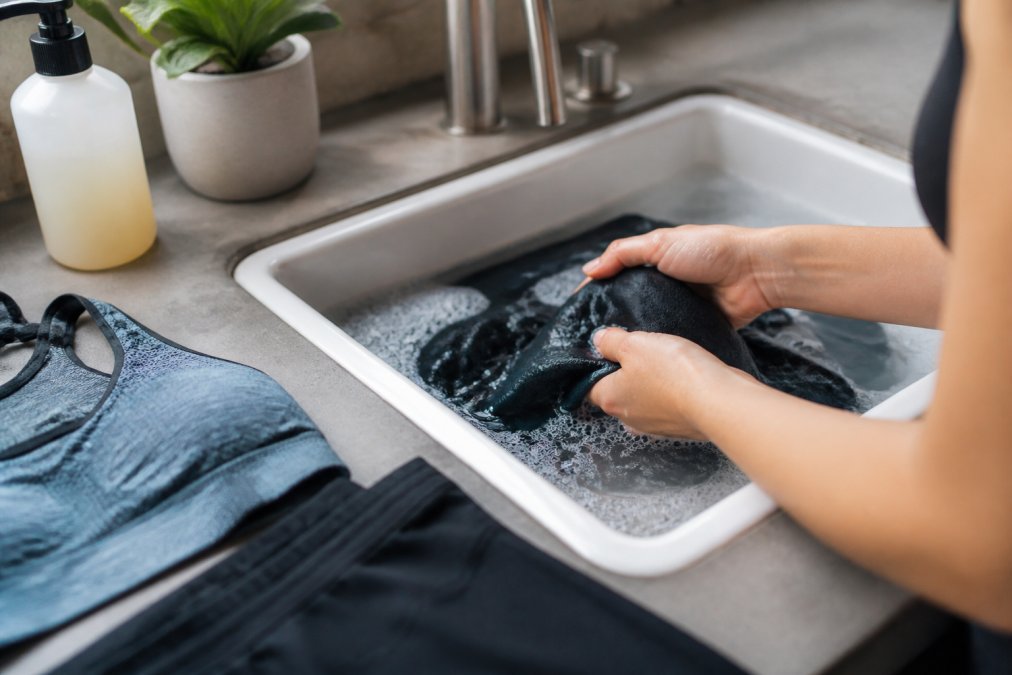
Turn apparel inside out before washing to protect the outer surface. Use cold water, hot water breaks down elastane fibers and fades colors. Choose a gentle or delicate cycle. Avoid fabric softener and bleach; fabric softener reduces moisture-wicking effectiveness, and bleach degrades elastane. Air dry whenever possible; machine drying damages elastane and causes shrinkage. Store in a cool, dry place, folded rather than hung, away from direct sunlight. Proper storage can extend apparel lifespan.
Preventing Microplastic Shedding and Environmental Damage
Synthetic fabrics shed microplastics during washing (peer-reviewed research). Washing less frequently reduces shedding. Microfiber filter bags designed for washing synthetic clothing capture microplastics before they enter the water system. Quality apparel that lasts longer creates less waste than cheap alternatives that degrade quickly. Durability is sustainability.
Matching Apparel to Your Workout Type
Different training styles demand different apparel features.
High-Impact vs. Low-Impact Exercise Clothing
High-impact activities like running and CrossFit require maximum support and moisture-wicking with reinforced seams, flatlock or seamless construction, and medium-weight synthetic fabrics. Low-impact activities like yoga prioritize range of motion and breathability. Lighter-weight fabrics work well because friction is minimal, though seamless or flatlock construction remains preferable.
Layering for Indoor and Outdoor Training
Indoor training typically requires single-layer apparel. Outdoor training demands strategic layering: start with a moisture-wicking base layer that pulls sweat away from skin, add an insulating mid-layer that traps warmth without absorbing moisture, and finish with a weather-resistant outer layer that blocks wind and rain while remaining breathable. Each layer should manage moisture independently so your base layer doesn't absorb sweat that the mid-layer can't dry.
Quality Without Breaking Your Budget
Premium performance apparel doesn't always mean expensive. Focus your budget on apparel you wear most frequently. Check fabric composition before price: apparel with 85-90% polyester and 10-15% elastane outperforms cheaper alternatives regardless of brand name. Seam construction matters more than logo prominence. Seasonal sales and end-of-season clearance events offer opportunities to buy quality apparel at significant discounts.
Body Fuel Fury offers a curated selection of quality workout apparel at value-driven pricing. Our customer-service approach means you can ask questions before purchasing and get support if something doesn't fit right. We prioritize durability and performance over trendy designs, so your investment lasts through years of training.
Choosing quality workout apparel requires understanding fabric technology, construction methods, and how different features serve specific training needs. Focus on moisture-wicking synthetic fabrics, seamless or flatlock seam construction, and apparel matched to your workout intensity level. When you invest in quality gear and care for it properly, you'll train more comfortably and your apparel will last significantly longer. Start with Body Fuel Fury's curated selection of performance-focused, affordable apparel designed for athletes who prioritize durability and function over brand names.
Frequently Asked Questions
Q: What fabric is best for high-intensity workout apparel?
A: Synthetic fibers like polyester, elastane, and nylon dominate high-intensity activewear because they excel at moisture-wicking and durability. Look for blends that combine polyester for sweat management with elastane for four-way stretch and range of motion. These fabrics dry quickly, resist pilling, and maintain their shape through repeated intense workouts better than cotton or natural blends.
Q: How can you tell if workout clothes are high quality?
A: Examine the seam construction for flatlock or seamless stitching to prevent chafing. Check the fabric weight and density, durable performance fabrics last longer. Look for anti-microbial or quick-dry properties listed on the tag. Quality apparel fits snugly without restricting movement, features breathability zones, and maintains elasticity after washing. Test the stretch by pulling the fabric; it should snap back immediately.
Q: How should workout clothes fit for optimal performance?
A: Fit depends on your body type and workout intensity. For high-impact activities, choose snug compression or supportive fits that reduce bounce and provide stability. For low-impact exercise, a slightly looser fit allows better ventilation and range of motion. The garment should stay in place during movement without restricting breathing or circulation. Sleeves and hems should hit without bunching, and waistbands should sit securely without digging in.
Q: Does the price of workout apparel correlate with quality?
A: Price alone doesn't guarantee quality, but extremely low-cost options often use thinner fabrics, standard seams prone to chafing, and poor moisture-wicking. Mid-range quality apparel typically offers good value, combining durable synthetic blends, proper construction, and performance features. Focus on fabric composition, seam type, and durability testing rather than brand name when evaluating quality-to-price ratio.