 ultimate-guide
Online Personal Training: A Shopper's Guide
Table of Contents
- Why Online Personal Training Fits Your Schedule
- What to Expect from Online Personal Training
- Best Online Personal Training Platforms to Consider
- Online Personal Training Pricing Models Explained
- Virtual vs. In-Person Training: What Works Best
- Equipment You Actually Need at Home
- How to Verify Trainer Credentials and Safety
- Conclusion
- Frequently Asked Questions
Last Updated: August 30, 2026
Why Online Personal Training Fits Your Schedule
Remote work, packed schedules, and home gyms have made traditional in-person training inconvenient for many. Online personal training solves this directly: professional coaching without commuting, without scheduling around gym hours, and without physical location overhead.
Online personal training has moved beyond a pandemic workaround into a legitimate option for serious fitness enthusiasts. Video technology has matured enough to allow trainers to assess form, adjust programming, and provide real-time feedback nearly as effectively as in-person sessions.
At Body Fuel Fury, we understand that convenience matters. Fitness should integrate into your life, not demand reorganization. We've built our platform and product ecosystem to support online training, from supplements to home gym equipment. This guide covers choosing, evaluating, and committing to online personal training.
The real advantage is accountability. A trainer checking in via video, tracking progress digitally, and adjusting customized plans based on data creates structure that many struggle to maintain alone. Below, we'll show you what to expect, how to vet trainers, what equipment you need, and how to navigate pricing that fits your budget.
What to Expect from Online Personal Training
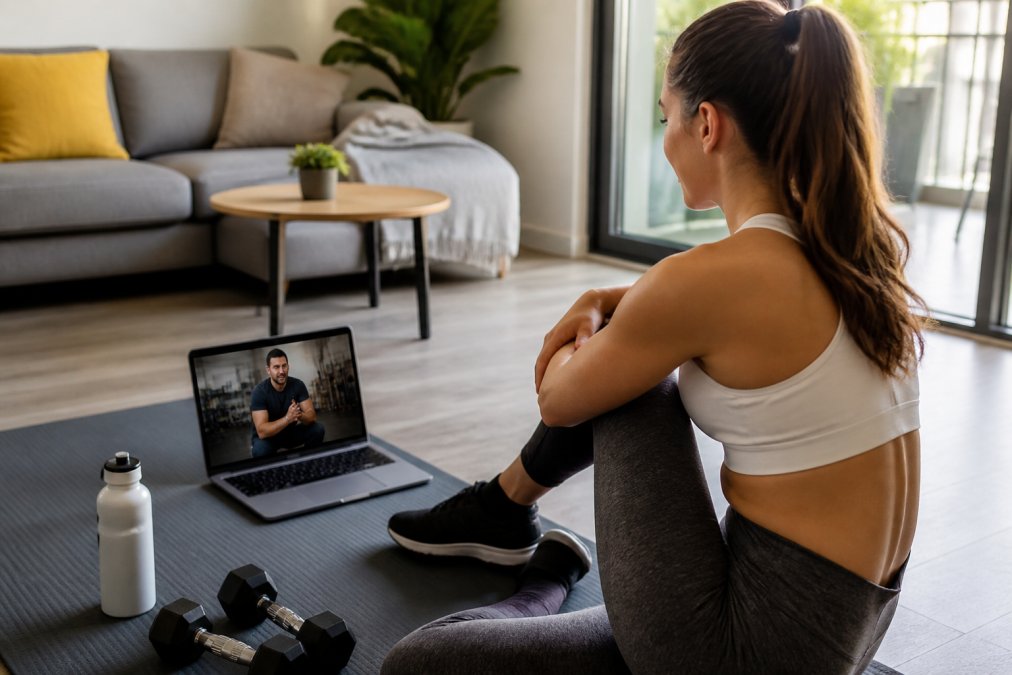
Online personal training differs from in-person sessions. Your trainer won't physically spot you or adjust your form manually, but will watch movement patterns through video, provide real-time cues, and modify your program based on observations.
Most sessions follow a structured format: log into a video call at a scheduled time, warm up, perform prescribed exercises while your trainer watches and corrects form, and they document performance for future reference. Sessions typically last 30 to 60 minutes (peer-reviewed research). Between sessions, many trainers provide workout tracking software or email updates with next week's programming.
The accountability structure makes online training effective. You've committed to a time slot with another person, paid for it, and missing a session has real consequences. That friction keeps people consistent in ways self-directed training rarely does.
How Video Consultations and Form Correction Work
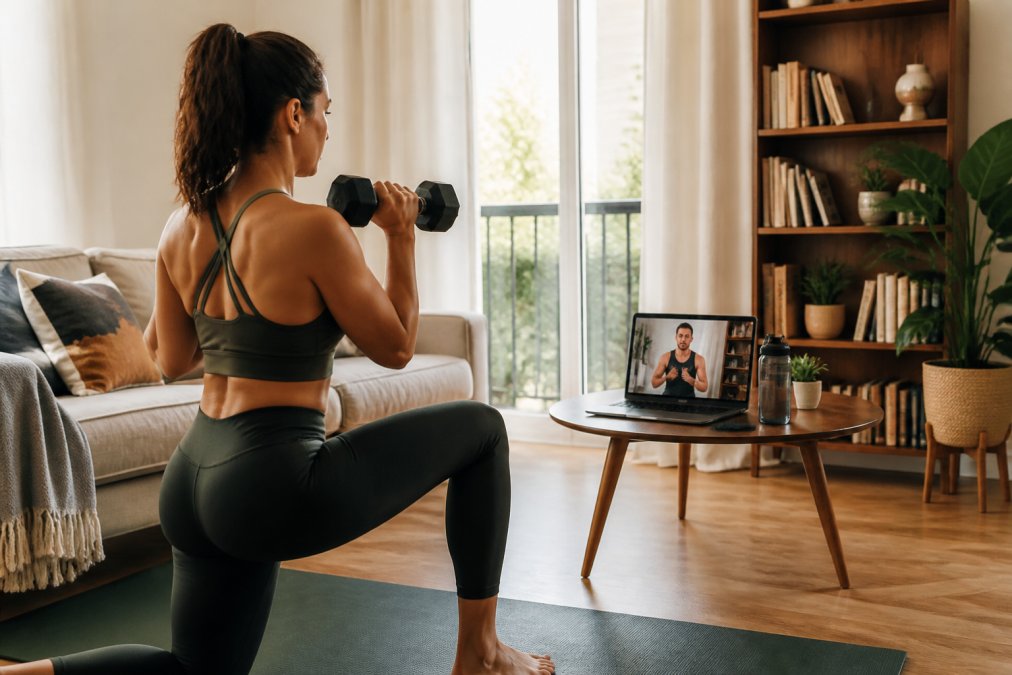
Video consultations are the backbone of remote fitness coaching. Your trainer observes movement from their screen, identifies compensations or form breakdowns, and cues you to adjust in real time. This works particularly well for compound movements like squats, deadlifts, and bench presses where major form deviations are visible on camera (peer-reviewed research).
Form correction happens through verbal cuing and sometimes screen-share demonstrations where the trainer shows correct patterns. Some trainers use slow-motion video review after sessions, sending annotated clips that highlight adjustments for next time.
The limitation is real: a trainer cannot physically feel muscle tension, cannot adjust your spine manually, and cannot provide tactile feedback. If you're recovering from injury or working on highly technical movements, occasional in-person sessions may supplement remote coaching. For general strength, hypertrophy, and conditioning work, video-based form correction is sufficient.
Customized Fitness Plans and Progress Tracking
Reputable online trainers build customized fitness plans rather than handing you generic templates. Your initial assessment captures training history, current fitness level, injuries, goals, and available equipment. The trainer designs a program specifically for you.
Progress tracking happens through client management software where you log workout data: weights lifted, reps completed, how the session felt. Some integrate with fitness apps that sync automatically. Your trainer reviews this data before your next session and adjusts programming accordingly.
Customization matters because your program evolves as you progress. Weights increase, exercises change, and session frequency adjusts. This responsiveness separates effective coaching from static downloaded plans.
Best Online Personal Training Platforms to Consider
The landscape includes several models: one-on-one video coaching with independent trainers, platform-based services that match you with certified coaches, app-based programs with limited trainer interaction, and hybrid models combining video coaching with digital programming.
One-on-one coaching with independent trainers offers the most customization and direct relationship. You hire a specific trainer and build accountability over time. The downside is vetting falls entirely on you; credentials and quality vary widely.
Platform-based services provide structure and vetting. The platform handles onboarding, client management, and payment processing. You get a dedicated coach, but the relationship is mediated through software, sometimes feeling more transactional.
App-based programs with optional coaching add-ons let you start with a structured program and upgrade to live coaching later. This appeals to people testing the waters before committing to a coach.
Body Fuel Fury supports all these models by providing supplements, equipment, and apparel that make home training sustainable. Whether working with an independent trainer or using a platform-based service, quality gear and nutrition fuel your progress. Our fast, user-friendly shopping experience means you can stock your home gym without friction.
Online Personal Training Pricing Models Explained
Pricing varies based on trainer experience, specialization, location, and program structure.
Subscription vs. Hourly Rates
Subscription models charge a fixed monthly fee for a set number of coaching sessions. The advantage is predictability. Many trainers offer slight discounts on subscriptions compared to pay-per-session pricing.
Hourly rates vary depending on credentials and experience. A single 60-minute session costs what you'd pay, with no long-term obligation. This appeals to people wanting flexibility, though you often pay a premium for that flexibility and lose the accountability of scheduled appointments.
Some trainers use a hybrid: a base monthly rate for programming and check-ins, plus additional fees for live coaching sessions.
Payment Plans and Budget-Friendly Options
Many trainers offer payment plans that spread costs across months, making higher-tier packages more accessible. A three-month or six-month package might cost less per session than month-to-month.
Budget-friendly options include group coaching (one trainer with multiple clients simultaneously), challenge-based programs (8-12 week intensive programs with set pricing), and app-based coaching with limited live interaction. These cost less than one-on-one coaching but sacrifice some personalization.
Another approach is starting with app-based programming and upgrading to coaching later.
Virtual vs. In-Person Training: What Works Best
The choice depends on your goals, learning style, injury history, and lifestyle.
In-person training excels when recovering from injury, learning complex movements for the first time, or needing the motivation of a physical presence. A trainer can physically adjust your position and provide immediate feedback. A dedicated gym space reduces barriers to showing up.
Online training wins on convenience, cost, and flexibility. You train from home on your schedule without commuting. Cost is typically lower because trainers don't pay gym rent. For people with solid training foundations motivated by structure and accountability, video coaching delivers results as effectively as in-person work.
The hybrid approach, primarily online coaching with occasional in-person sessions for assessment or complex movement work, offers a middle ground. You get convenience and cost savings with periodic in-person refinement.
For most people pursuing strength, hypertrophy, or general conditioning, online personal training is sufficient. The constraint isn't format; it's consistency and adherence to the program.
Equipment You Actually Need at Home
You don't need a fully stocked gym, but you do need functional basics. A minimal home gym costs far less than a gym membership and serves you indefinitely.
Essential equipment includes adjustable dumbbells (a single pair covers most strength work), a pull-up bar or resistance bands (for pulling movements), and a bench or sturdy chair (for supported exercises). Most people add a yoga mat, resistance bands in varying resistances, and a foam roller for recovery.
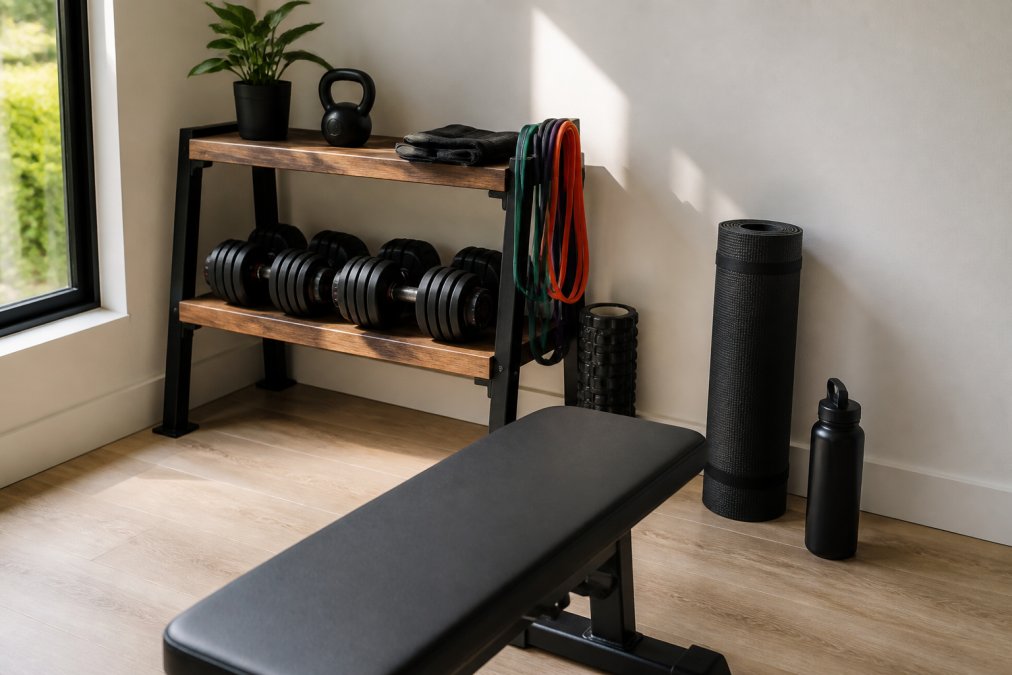
Dumbbells are the workhorse. They're adjustable, space-efficient, and versatile for nearly every movement pattern. Resistance bands are the second priority, cheap, portable, and excellent for assistance work or conditioning. A pull-up bar opens up vertical pulling that dumbbells alone can't provide.
Beyond these, additions depend on your goals and space. A barbell and squat rack make sense if you're serious about strength training with available space. A rowing machine or stationary bike adds conditioning options. But these are upgrades, not requirements.
Body Fuel Fury carries durable, cost-effective equipment designed for home training. Quality matters because cheap equipment breaks and wastes money. Our commitment to affordable pricing means sourcing equipment that performs and lasts without retail markup.
How to Verify Trainer Credentials and Safety
Vetting your trainer is critical because the fitness industry has minimal gatekeeping. Anyone can call themselves a coach.
Legitimate certifications come from organizations like the National Academy of Sports Medicine (NASM), International Society of Sports Nutrition (ISSN), or Certified Strength and Conditioning Specialist (CSCS) (nasm.org). A trainer should state their certification, issuing organization, and credential number. You can verify most certifications on the issuing organization's website.
Experience matters as much as credentials. How long has the trainer been coaching? What populations have they worked with? Do they have testimonials or case studies? A trainer with five years of experience and solid client results is more valuable than someone with a fresh certification and no track record.
Ask about their approach to safety and injury prevention. How do they assess movement quality? How do they progress clients? A trainer who prioritizes movement quality and conservative progression is lower-risk than one who pushes heavy weight immediately.
Check references if possible. Ask for testimonials from current or past clients, particularly those with similar goals to yours.
Red flags include: trainers who guarantee results, dismiss injuries or pain, push max effort every session, can't articulate their programming philosophy, or lack verifiable credentials or experience. Trust your instincts.
Conclusion
Online personal training has matured into a legitimate, effective option for serious fitness enthusiasts. Convenience removes scheduling friction, accountability keeps you consistent, and customization ensures your program matches your actual goals and constraints.
The challenge is vetting trainers and committing to the model. Start with a trial period; many trainers offer a single session or short-term package so you can test compatibility before investing long-term. Look for trainers with verified credentials, clear communication, and a philosophy matching yours. Invest in basic home equipment so you have tools to execute your trainer's program.
Body Fuel Fury supports your online training journey with supplements, equipment, and apparel that make home training sustainable. Shop with us and equip yourself to follow through on your commitment. Shop Now for everything you need to succeed.
Frequently Asked Questions
How does online personal training compare to in-person sessions?
Online personal training offers flexibility and convenience, you train from home on your schedule without commute time. Video consultations allow trainers to observe your form and provide real-time corrections. In-person training provides hands-on spotting and adjustments. Online works best for clients with busy schedules or limited access to quality trainers; in-person suits those who benefit from direct physical guidance and prefer structured gym environments. Many clients use hybrid training, combining both approaches.
What equipment do I need to start online personal training?
Basic home gym equipment includes adjustable dumbbells, resistance bands, a yoga mat, and a sturdy chair. A pull-up bar or suspension trainer adds versatility. Many online trainers design programs around minimal equipment, bodyweight exercises work too. The key is having enough space for movement and a stable internet connection for video sessions. Your trainer will help customize recommendations based on your fitness level and available space.
How do I verify the credentials of an online personal trainer?
Check for certifications from recognized organizations like ACE, NASM, or ISSA. Ask about their experience with your specific fitness goals or health conditions. Request client testimonials or case studies. A credible trainer should openly discuss their qualifications and safety protocols for injury prevention. Many platforms display trainer credentials prominently; if they don't, ask directly before committing. Red flags include no formal certification or unwillingness to discuss their background.
What's a reasonable price for online personal training?
Online personal training pricing varies widely depending on trainer experience, platform type, and session frequency. Subscription models typically offer monthly plans, while hourly rates vary by trainer expertise. Payment plans and discounts often apply for longer commitments. Pricing depends on the specific service, trainer credentials, and the level of customization you need. Visit Body Fuel Fury or trainer platforms directly for current pricing and available packages that fit your budget.