
 listicle
What Supplements Have Scientifically Proven to Work in 2026?
Table of Contents
- How Supplements Earn the "Scientifically Proven" Label
- What Supplements Have Scientifically Proven to Work: The Core List
- Best Supplements for Muscle Growth 2026: Performance and Recovery
- How to Read Supplement Labels for Quality
- FDA Regulation of Dietary Supplements: What It Does and Doesn't Cover
- Safety, Side Effects, and Drug Interactions
- Conclusion
- Frequently Asked Questions
Last Updated: September 15, 2026
How Supplements Earn the "Scientifically Proven" Label
A supplement earns the "scientifically proven" label only when multiple randomized controlled trials show consistent benefits in humans, results are replicated by independent researchers, and findings pass peer review. That bar is high, and most products on shelves never clear it.
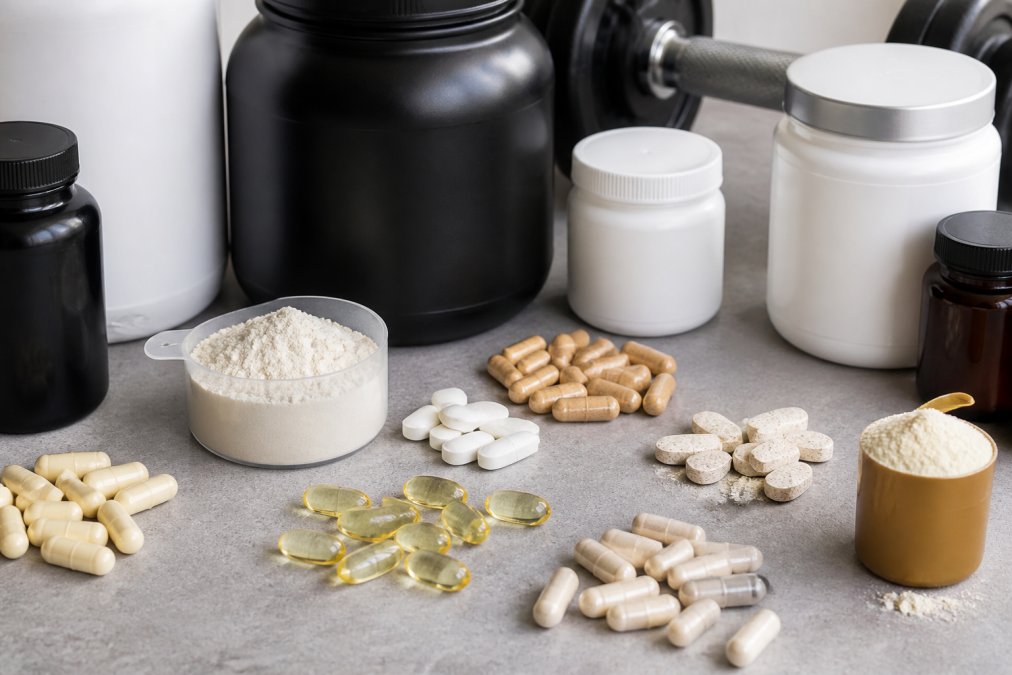
What supplements have scientifically proven to work? A short list, honestly. Creatine monohydrate, vitamin D3, omega-3 fatty acids, protein powder, and magnesium glycinate have the strongest human trial records. This guide from Body Fuel Fury breaks down each one, plus how to verify quality before you buy.
Here is the distinction that matters most. Anecdotal claims rest on individual stories: "it worked for me." Evidence-based claims rest on controlled trials where one group takes the supplement and another takes a placebo, and neither group knows which is which. The placebo effect is real and measurable, which is exactly why controlled designs exist.
NIH Office of Dietary Supplements fact sheets maintains reference summaries for most major nutrients.
Clinical Trials vs. Anecdotal Claims
Clinical trials compare outcomes between groups under controlled conditions. Anecdotes cannot do this, because the person reporting the result already knows what they took. A supplement with twenty positive reviews and zero trials has marketing, not evidence.
What Supplements Have Scientifically Proven to Work: The Core List
Five supplements have the deepest bodies of human research behind them. Everything below appears in peer-reviewed literature, not influencer posts.
| Supplement | Primary Benefit | Typical Form | Watch Out For |
|---|---|---|---|
| Creatine monohydrate | Strength and muscle growth | Powder | Minor water retention |
| Vitamin D3 | Bone and immune support | Softgel or tablet | Toxicity at high doses |
| Omega-3 (EPA/DHA) | Heart and brain health | Softgel | Mild digestive upset |
| Protein powder | Muscle repair | Whey or plant | Wide quality variance |
| Magnesium glycinate | Muscle relaxation, sleep | Capsule | Large pill size |
Creatine Monohydrate
Creatine monohydrate is the most researched performance supplement in existence, with hundreds of trials supporting gains in strength and lean mass. It works by increasing phosphocreatine stores, which fuels high-intensity exercise. The monohydrate form is the one studied most, so skip pricier variants. Expect minor water retention in the first weeks; it fades.
Vitamin D3
Vitamin D3 supports calcium absorption and immune function, and deficiency is common among people with limited sun exposure. Dosage should be guided by a blood test, because vitamin D is fat-soluble and accumulates. This is one supplement where more is genuinely not better.
Omega-3 Fatty Acids (EPA/DHA)
Omega-3s carry extensive cardiovascular and cognitive research backing. Check the label for actual EPA and DHA content rather than total fish oil weight, since that number is what the trials measured. Some users notice mild digestive effects, usually solved by taking them with food.
Best Supplements for Muscle Growth 2026: Performance and Recovery
For muscle growth specifically, two additions round out the core list. Protein powder solves a logistics problem: hitting daily protein targets from whole food alone is difficult for many people. Magnesium glycinate addresses recovery and sleep quality, both of which affect training outcomes.
Protein Powder (Whey and Plant-Based)
Protein powder provides essential amino acids for muscle protein synthesis and is the most convenient way to close a protein gap. Whey isolate digests quickly; plant blends suit dairy-free diets. Quality varies enormously between brands, so third-party testing matters more here than almost anywhere else.
Magnesium Glycinate
Magnesium glycinate is a highly bioavailable form that supports nerve function and muscle relaxation. The glycinate form is gentler on the stomach than magnesium oxide, which is why it is the preferred choice for sleep and tension. The main complaint is pill size.
How to Read Supplement Labels for Quality
Reading a supplement label for quality means checking four things: the ingredient form, the actual amount per serving, the serving size, and whether a third-party certification seal appears. Most shoppers only read the front of the bottle, which is the least informative part.
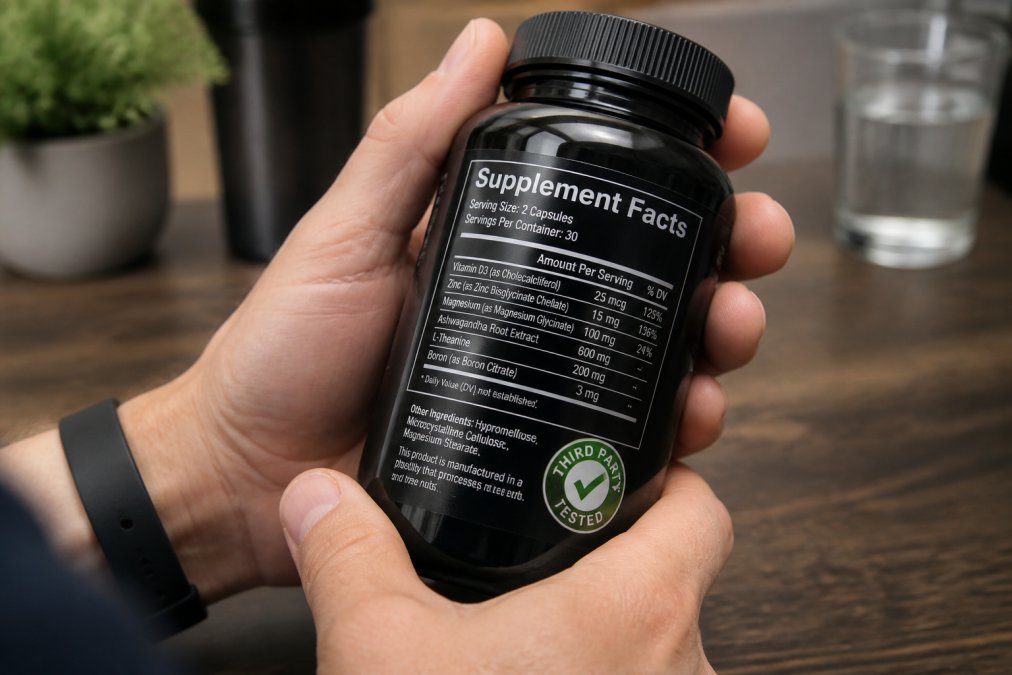
Start with the Supplement Facts panel. "Proprietary blend" hides individual doses, which makes it impossible to compare against trial dosages. If a blend lists 500 mg total across six ingredients, you have no idea what you are getting. Look instead for a named compound with a stated milligram amount per serving, and confirm the serving size, a label that says "2 capsules" but shows amounts for one capsule is a common source of accidental under- or over-dosing.
Third-Party Testing and Certification
Third-party testing verifies that what is on the label matches what is in the capsule. Independent labs screen for purity, potency, and contaminants, and certification programs publish their standards. This matters because contamination and mislabeling are documented problems in the supplement market, not hypothetical ones.
Three certification seals do most of the work for a U.S. shopper:
- USP Verified Mark, issued by the United States Pharmacopeia. It confirms the product contains the ingredients listed on the label in the declared potency and amounts, does not contain harmful levels of specified contaminants, will break down and be absorbed by the body within a specified time, and was made according to FDA current Good Manufacturing Practices using sanitary and well-controlled procedures.
- NSF Certified for Sport, issued by NSF International. It screens against a long list of athletic banned substances in addition to confirming label accuracy, which is why it is the seal most often requested by professional and collegiate sports organizations.
- Informed Choice / Informed Sport, issued by LGC. Products are tested for substances prohibited in sport, and the program publishes batch-level results, so a specific lot number can be checked rather than trusting the brand as a whole.
A seal is not a guarantee of benefit, it says nothing about whether the ingredient works, only that the bottle contains what it claims. That is still the single most useful shortcut a shopper has, because it converts an unverifiable marketing claim into a testable one.
NSF Certified for Sport program verifies products against banned substances for athletes.
A Practical Label Checklist
Before buying, run these five checks in order:
FDA Regulation of Dietary Supplements: What It Does and Doesn't Cover
Safety, Side Effects, and Drug Interactions
Drug-Supplement Interactions
Dosage and Frequency
Cumulative Intake
Conclusion
Frequently Asked Questions
What are the most scientifically proven supplements?
Creatine monohydrate, vitamin D3, omega-3 fatty acids, and protein powder have the strongest clinical evidence. Creatine has hundreds of peer-reviewed studies supporting its role in strength and muscle growth. Vitamin D3 is well-established for bone health and immune function. Omega-3s (EPA/DHA) show consistent cardiovascular and cognitive benefits. Protein powder reliably supports muscle repair when dietary intake falls short. These proven supplements stand out because multiple clinical trials have confirmed their effects in humans, not just lab settings.
How can I verify if a supplement is backed by clinical research?
Check whether the ingredient has been studied in randomized controlled trials published in peer-reviewed journals. Look for third-party certifications like NSF Certified for Sport or USP Verified on the label, which confirm the product was tested for purity and potency. If a brand cannot point to published research on its key ingredients, treat the claims as marketing rather than science. Reading supplement labels for quality starts with verifying the evidence behind each ingredient.
Are there risks to taking evidence-based supplements?
Even proven supplements carry some risk. Iron supplements can cause gastrointestinal distress and should only be taken when a doctor diagnoses deficiency. Vitamin D3 requires dosage monitoring to avoid toxicity. Omega-3s may cause mild digestive side effects. Drug-supplement interactions are a real concern, especially with blood thinners, thyroid medications, and certain antidepressants. Always check with a healthcare provider before starting any new supplement, particularly if you take prescription medication or manage a chronic condition.
What is the most scientifically studied supplement?
Creatine monohydrate holds that title. It has been examined in over 500 peer-reviewed studies covering strength, muscle mass, recovery, cognitive function, and safety. Research consistently shows it increases phosphocreatine stores in muscles, which supports high-intensity exercise performance. The International Society of Sports Nutrition recognizes creatine as safe and effective for healthy adults. Its cost per serving is also among the lowest of any performance supplement, making it a practical choice for anyone focused on muscle growth and recovery.
How does FDA regulation of dietary supplements affect what I buy?
The FDA regulates dietary supplements as a category of food, not as drugs. That means products do not need FDA approval before they are sold. Manufacturers are responsible for ensuring safety and label accuracy, but the FDA only steps in after a product reaches the market and problems arise. This is why third-party testing matters. Certifications from NSF or USP fill the gap by independently verifying that what is on the label matches what is in the bottle.
Finding supplements that clear the evidence bar is hard enough without also wondering whether the label is accurate. Body Fuel Fury stocks performance essentials selected for quality, with a fast shopping experience, straightforward value-driven pricing, and a customer service team that answers questions before you buy. Shop Now at Body Fuel Fury and build your stack on products you can actually verify.