 how-to
How to Maintain Home Gym Equipment for Longevity
Table of Contents
- Why Regular Maintenance Matters for Equipment Longevity
- How to Clean Gym Equipment at Home
- Lubrication and Friction Reduction
- How to Prevent Rust on Gym Equipment
- Inspection and Damage Detection
- Smith Machine Maintenance
- Creating Your Home Gym Maintenance Checklist
- Annual (once per year):
- Environmental Conditions and Equipment Safety
- Frequently Asked Questions
Last Updated: October 12, 2026
Why Regular Maintenance Matters for Equipment Longevity
Maintaining your home gym equipment is the difference between gear that lasts years and equipment that fails in months. Regular upkeep protects your investment and keeps your workouts safe and effective.
Think of maintenance like brushing your teeth. Small daily habits prevent big problems later. When you skip cleaning and lubrication, sweat and dust build up inside moving parts. This causes friction, wear, and eventually breakdown.
Equipment that receives proper care performs better. Your movements feel smoother. The machine responds predictably. You avoid the frustration of broken equipment derailing your training.
At Body Fuel Fury, we help fitness enthusiasts build home gyms that last. Part of that means understanding how to maintain home gym equipment for longevity.
How to Clean Gym Equipment at Home
Cleaning removes the sweat, dust, and debris that damage equipment over time. Most people skip this step because they think it's optional. It's not.
Sweat contains salt and acids that corrode metal. Dust clogs moving parts and reduces performance. Debris gets trapped in joints and causes friction. Regular cleaning prevents all three problems.
Removing Sweat, Dust, and Debris
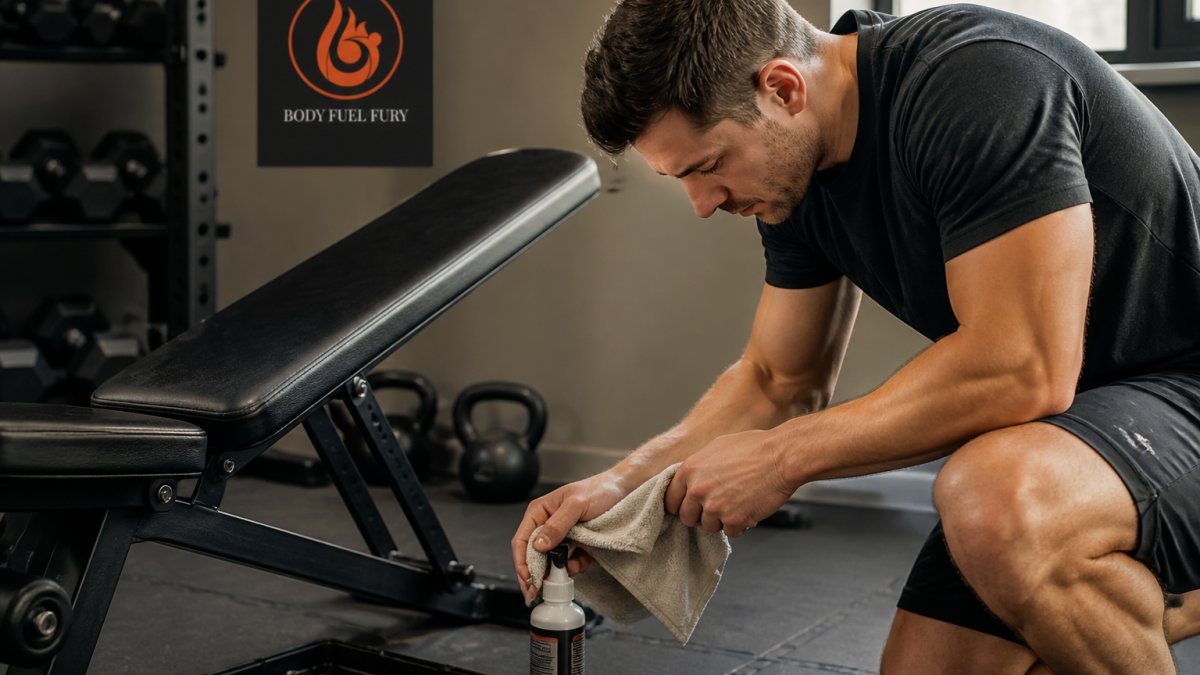
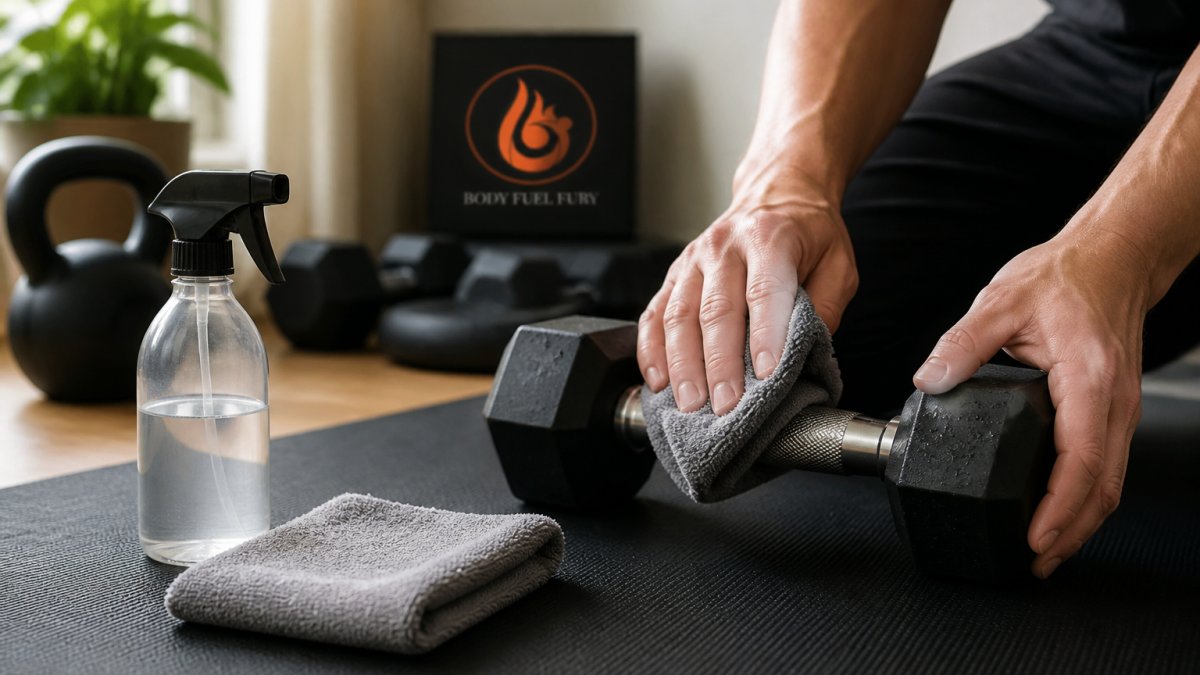
Start with a simple approach: wipe everything down after each workout. Use a clean, dry cloth to remove sweat from handles, seats, and frames. This takes two minutes and prevents salt buildup.
For dust and debris, use a soft brush or compressed air on hard-to-reach areas. Pay attention to cable pulleys, weight stacks, and under cushioning. Debris trapped in these spots causes squeaking and reduces smooth motion.
Once a week, do a deeper clean. Use a slightly damp cloth with mild soap and water. Wipe all surfaces. Let everything dry completely before your next workout.
For stubborn residue, mix water with a small amount of white vinegar. This cuts through salt deposits without damaging equipment. Wipe with a cloth and dry thoroughly.
Choosing Safe Cleaning Supplies
Not all cleaning products are safe for gym equipment. Harsh chemicals damage paint, plastic, and rubber. They also leave residue that makes grips slippery.
Stick to basics:
- Mild dish soap and water
- White vinegar and water solution
- Soft cloths and towels
- Soft-bristled brushes
- Compressed air for crevices
Avoid bleach, solvents, and abrasive scrubbers. These damage equipment finishes and can be unsafe around your skin.
Lubrication and Friction Reduction
Lubrication keeps moving parts smooth and prevents wear. Without it, metal rubs against metal. Friction builds heat, accelerates wear, and eventually causes the grinding, squealing, or binding that signals a part is on its way out.
The catch most guides skip: not every moving part wants the same lubricant. Using the wrong product attracts dust, degrades rubber, or voids your warranty. Match the lubricant to the component.
Which Lubricant Goes Where
| Component | Recommended Lubricant | Avoid |
|---|---|---|
| Treadmill deck and belt | 100% silicone lubricant (belt-specific) | Petroleum-based oils, WD-40 |
| Guide rods on cable machines and Smith machines | Light machine oil or silicone spray | Heavy grease, cooking oil |
| Linear bearings and bushings | Manufacturer-specified light oil | Thick grease that traps grit |
| Chains (on some bikes and rowers) | Chain-specific light oil | Silicone spray (doesn't penetrate links) |
| Pivot points and joints | A drop of light machine oil | Spray lubricant that overshoots |
A few ground rules that apply across the board:
- Silicone is the safe default for rubber and plastic contact points. Petroleum-based products degrade rubber belts, bushings, and seals over time.
- WD-40 is a solvent, not a lubricant. It displaces moisture and cleans, but it evaporates and leaves metal dry. Don't use it as your ongoing lubricant.
- Heavy grease is usually wrong for home equipment. It collects dust and turns into an abrasive paste inside pulleys and bearings.
- Check your manual before you buy anything. Many manufacturers specify a lubricant type and will void the warranty if you use something else.
How to Apply Lubricant Correctly
Apply lubricant sparingly. A little goes a long way. Wipe away excess with a clean, lint-free cloth. Too much lubricant creates a sticky film that collects debris and makes the problem worse.
For guide rods, apply a few drops to a cloth and wipe down the length of the rod rather than spraying directly. This avoids overspray onto belts, grips, or electronics.
For treadmill belts, follow the manufacturer's schedule. Most home treadmills need belt lubrication every three to six months, but this varies widely by model and use. A common pattern is to check the belt monthly: lift the edge and feel underneath. If it's dry to the touch, it's due. If it's tacky or leaves residue on your finger, you've over-lubricated.
Signs You're Under- or Over-Lubricating
- Squealing or grinding on a cable machine usually means a dry guide rod or pulley bearing.
- A treadmill belt that slips or hesitates can mean a dry deck, but it can also mean a loose belt, check tension before adding lubricant.
- Black residue on your hands after touching a guide rod means too much lubricant is trapping dirt. Wipe it down and start over with less.
- Stiff or jerky cable travel often points to a dry pulley, not a stretched cable.
If lubrication doesn't fix the noise or resistance after two attempts, stop and inspect the component for actual damage. Lubricant masks symptoms; it doesn't repair worn parts.
How to Prevent Rust on Gym Equipment
Rust develops when metal surfaces stay damp or are exposed to humidity. Your home gym's environment matters more than you might think.
Keep your workout space dry. Use a dehumidifier if moisture is high. Wipe equipment dry immediately after cleaning. Never leave damp equipment sitting overnight.
For equipment with exposed metal, apply a thin coat of protective oil monthly. This creates a barrier against moisture and oxygen. Wipe away excess so it doesn't attract dust.
If rust spots appear, sand them lightly with fine-grit sandpaper and apply protective oil. Catch rust early before it spreads.
Store equipment in a climate-controlled space if possible. Garages and basements tend to be humid. If that's your only option, use silica gel packets or a dehumidifier to control moisture.
Inspection and Damage Detection
Regular inspections catch problems before they become dangerous. Spend five minutes monthly checking your equipment for signs of wear.
Checking Bolts, Fasteners, and Connections
Bolts and fasteners loosen over time from vibration and use. Check all visible bolts and connections monthly. Tighten any that feel loose. Use the correct size wrench or Allen key to avoid stripping threads.
Pay special attention to:
- Weight stack connections
- Seat and backrest attachments
- Handles and grips
- Cable attachment points
A loose bolt can cause equipment to fail suddenly during your workout. This creates a safety hazard and damages the machine.
Inspecting Cables, Belts, and Pulleys
Cables fray and wear over time. Belts crack and slip. Pulleys can become misaligned. Inspect these components every month.
Look for:
- Fraying or splitting in cables
- Cracks or glazing on belts
- Rust or corrosion on pulleys
- Misalignment or binding when equipment moves
If you spot damage, stop using that equipment. Contact the manufacturer about replacement parts. Using damaged cables or belts risks injury.
Smith Machine Maintenance
Smith machines need specific care because of their complex mechanical systems. The bar glides on vertical rails, and cables or pulleys control resistance.
Clean the rails monthly with a soft cloth. Remove dust and debris that can cause binding. Apply a light machine oil to the rails, then wipe away excess.
Check that the bar moves smoothly through its full range. If it sticks or binds, the rails may need cleaning or the bar may be misaligned. Refer to your manual for adjustment procedures.
Inspect all cables for fraying. Check the safety catches to ensure they lock properly. Test the safety mechanism regularly by engaging it during a light workout.
Creating Your Home Gym Maintenance Checklist
A maintenance checklist keeps you organized and ensures nothing gets missed. Customize this to match your specific equipment.
Monthly Maintenance Tasks
Perform these tasks every month to maintain home gym equipment:
- Wipe down all equipment with a clean, dry cloth
- Check bolts and fasteners for tightness
- Inspect cables, belts, and pulleys for visible damage
- Apply lubricant to moving parts and joints
- Test equipment for smooth operation
- Check for rust spots or corrosion
- Clean control panels and displays with a barely damp cloth
- Inspect grips and padding for wear or damage
Quarterly and Annual Inspections
Deeper inspections catch problems a monthly check might miss.
Quarterly (every three months):
- Deep clean all surfaces with mild soap and water
- Inspect electronic components and connections
- Check alignment on machines with guided movements
- Test safety features and emergency stops
- Review manufacturer guidelines for specific maintenance
Annual (once per year):
- Replace worn grips, padding, or covers
- Update maintenance records
- Plan for any repairs or replacements
| Maintenance Task | Frequency | Time Required | Impact |
|---|---|---|---|
| Wipe down equipment | After each use | 2-3 minutes | Prevents sweat buildup and corrosion |
| Check bolts and fasteners | Monthly | 5 minutes | Ensures safety and stability |
| Apply lubricant | Monthly | 5-10 minutes | Reduces friction and wear |
| Inspect cables and belts | Monthly | 5 minutes | Catches damage early |
| Deep clean | Quarterly | 15-20 minutes | Removes accumulated dust and debris |
| Professional service | Annually | Varies | Addresses complex issues |
Environmental Conditions and Equipment Safety
Your home gym's environment affects how quickly equipment deteriorates. Temperature, humidity, and air quality all matter.
Humidity is the biggest enemy. High moisture causes rust, corrosion, and mold on padding. Keep humidity below 60 percent. Use a dehumidifier in damp spaces like basements or garages.
Temperature fluctuations cause metal expansion and contraction, which loosens bolts and stresses connections. Maintain a stable temperature if possible. Avoid storing equipment in unheated spaces during winter.
Dust and air quality matter too. Airborne dust settles on equipment and gets into moving parts. Vacuum your workout space regularly.
Sunlight fades paint and damages rubber and plastic over time. Keep equipment out of direct sunlight. If your home gym gets natural light, consider UV-blocking window treatments.
Proper environmental conditions work together with your maintenance routine. When you maintain home gym equipment for longevity in a controlled space, your gear lasts significantly longer and performs better.
Frequently Asked Questions
How often should you clean home gym equipment?
Clean your equipment after every workout to remove sweat and dust. Weekly deep cleaning with mild detergent and a clean cloth prevents buildup. Monthly inspections catch wear early. Equipment in humid environments may need more frequent cleaning to prevent rust and corrosion.
What is the best way to maintain a Smith machine?
Clean the rails weekly with a dry cloth to remove dust and sweat. Lubricate the rails monthly with a light machine oil to reduce friction. Inspect the safety catches and fasteners quarterly for damage. Check the weight plates for rust and store them properly. Follow manufacturer instructions for your specific model.
How can you prevent rust on home gym equipment?
Keep your gym in a dry environment with good air circulation. Wipe down metal equipment immediately after workouts to remove sweat. Store equipment away from direct moisture sources. Use light machine oil on metal parts monthly. Inspect regularly for early signs of corrosion and address them quickly.
What should you do if home gym equipment makes an unusual noise?
Stop using the equipment and inspect it for loose bolts, fasteners, and connections. Check moving parts like cables, belts, and pulleys for wear or misalignment. Tighten any loose components and apply lubricant to reduce friction. If squeaking persists after these steps, consult the manufacturer's instructions or contact professional service.
Maintaining your home gym equipment requires consistency, but the effort is minimal compared to the payoff. A few minutes each month keeps your equipment safe, functional, and ready for your workouts. When you're ready to upgrade or expand your home gym setup, Body Fuel Fury offers durable, high-quality equipment backed by our commitment to value-driven pricing and customer service. Shop with us to build a home gym that grows with your fitness journey.