 how-to
Protein Absorption for Recovery: Why It Matters
Table of Contents
- Why Protein Absorption Matters for Recovery
- How Protein Is Digested and Absorbed
- Factors That Affect Protein Digestion and Absorption
- How Much Protein Can the Body Absorb at Once
- Protein Timing for Muscle Recovery
- Protein Distribution Throughout the Day
- Building a Recovery Meal That Works
- Frequently Asked Questions
Last Updated: October 16, 2026
Why Protein Absorption Matters for Recovery
Protein absorption recovery is how your body breaks protein into amino acids and transports them to muscle tissue for repair and growth.
The difference between eating protein and using it comes down to absorption. You can eat a chicken breast, but if your body doesn't absorb it efficiently, you won't get the full recovery benefit.
Understanding protein absorption changes how people approach recovery, it's not just about hitting a number, but about timing, food choices, and giving your body what it needs when it needs it.
Here's what matters: your body can only absorb and use a certain amount of protein at one time. The rest gets stored or passed through your system.
How Protein Is Digested and Absorbed
Most guides treat "digestion" and "absorption" as the same thing. They aren't. Digestion is the breakdown of protein into smaller pieces; absorption is the transport of those pieces, amino acids and small peptides, across the intestinal wall into your bloodstream. You can digest a protein fully and still absorb it poorly if your gut lining is compromised, your meal is overloaded with fat and fiber, or you eat in a rush. Recovery depends on absorption, not just digestion.
The Digestion Process
Digestion starts with chewing and saliva, but the real work begins in your stomach. Gastric acid denatures protein and activates pepsin, which cleaves it into shorter chains called peptides. This phase takes 1.5 to 3 hours depending on the protein source and what else is on the plate.
Whole-food proteins take longer because fat, fiber, and connective tissue slow gastric emptying. A chicken breast eaten alone moves through faster than the same chicken with a large salad, olive oil, and whole grains. Neither is wrong: fast proteins suit quick amino acid availability, slow proteins suit a sustained release, such as before sleep.
Absorption and Muscle Protein Synthesis
Once peptides reach the small intestine, brush-border enzymes break them into single amino acids and di- and tripeptides. These cross the intestinal wall through specific transporters into the portal vein, which carries them to the liver. The liver takes some for its own use and releases the rest into circulation, where they reach muscle tissue.
This is where protein absorption for recovery actually happens. Muscle cells take up amino acids and use them to build new protein structures, a process called muscle protein synthesis (MPS). Absorption is the bottleneck: without amino acids arriving in the blood, MPS can't run. The nine essential amino acids are the ones your body can't make, so they must come from food.
What Absorption Actually Means for Recovery
Absorption isn't all-or-nothing, it's a rate and a pattern. Whey produces a sharp rise in blood amino acids peaking within about 30 to 60 minutes, then falling over the next few hours. Casein produces a lower, flatter curve that lasts longer. Whole-food proteins fall in between, and the curve depends heavily on meal composition.
For recovery, the pattern matters more than the peak. Muscles need amino acids during the hours after training, not just in the first 30 minutes. A mixed meal with protein, carbohydrates, and some fat can support recovery as well as a shake, sometimes better, since it also replenishes glycogen and provides micronutrients. Choose fast proteins when you need amino acids quickly and slow proteins for a sustained supply, but don't obsess over the exact minute.
Factors That Affect Protein Digestion and Absorption
Several things influence how well your body processes and uses protein.
Protein type matters. Whey protein absorbs quickly, within 30 to 60 minutes. Casein (milk protein) absorbs slowly over several hours.
Meal composition affects absorption. Eating protein with carbohydrates and fat slows digestion but improves overall nutrient absorption.
Digestive health matters. A sensitive stomach, inflammatory bowel issues, or poor gut health all hurt protein absorption.
Age and fitness level play a role. Older adults sometimes need more protein per meal to trigger the same muscle protein synthesis response.
Hydration status. Dehydration slows digestion. Drinking water throughout the day supports the entire digestive process.
That's why one person's ideal recovery meal might not work for another, a 25-year-old athlete and a 55-year-old returning to fitness have different absorption profiles and needs.
How Much Protein Can the Body Absorb at Once
The honest answer: your body absorbs almost all the protein you eat, given enough time. The real limit isn't absorption, it's how much protein your muscles can use for muscle protein synthesis (MPS) in a single sitting. That distinction is where most fitness advice goes wrong.
The Per-Meal MPS Threshold
Research on MPS suggests roughly 20 to 40 grams of high-quality protein per meal maximally stimulates it in most healthy young adults. Eating 100 grams in one sitting doesn't double the response; the excess is oxidized for energy or used for other functions. It isn't unabsorbed, it's just not used for muscle repair. That's why spreading protein across three to four meals beats loading it into one.
But the threshold isn't the same for everyone. Older adults often need more protein per meal to trigger the same MPS response, anabolic resistance, and many practitioners find 30 to 40 grams per meal a more reliable target for adults over 60 preserving muscle mass. People recovering from surgery or illness may also benefit from higher per-meal amounts, since their bodies use amino acids for wound healing and immune function too.
What This Means for Daily Intake
Per-meal targets only matter in the context of total daily protein. A common evidence-based range for active adults is roughly 1.4 to 2.0 grams of protein per kilogram of body weight per day, depending on training volume and goals. For a 150-pound person, that's about 95 to 136 grams daily. Older adults and people recovering from surgery often land at the higher end of that range. Someone returning to fitness after a long break doesn't need to hit the top of the range immediately, progress over perfection applies here too. Start with three meals containing 25 to 35 grams of protein each and adjust based on how you feel and recover.
The Limits of the Post-Workout Anabolic Window
The "30-minute anabolic window" is oversimplified. Muscle protein synthesis stays elevated for several hours after training, and the window is wider than old gym lore suggests, especially if you ate protein beforehand. Total daily intake and even distribution matter most: someone eating 120 grams across four meals recovers better than someone eating 40 grams post-training and little else. Timing is a fine-tuning tool, not the foundation. If you can eat protein within a few hours of training, great; if not, your next meal still supports recovery.
Practical Distribution
A simple pattern that works for most active adults:
- Breakfast: 25-35 grams (eggs, Greek yogurt, cottage cheese, or a protein shake)
- Lunch: 30-40 grams (chicken, fish, tofu, or legumes)
- Afternoon snack: 15-25 grams (yogurt, cheese, nuts, or a shake)
- Dinner: 30-40 grams (lean meat, fish, or plant-based protein)
That totals roughly 100-140 grams daily for most active adults. Adjust based on body weight, training intensity, age, and recovery goals. Someone training hard five days a week needs more than someone exercising three times weekly. Someone recovering from surgery may need more per meal to support wound healing. The principle is the same: give your muscles a steady supply of amino acids throughout the day, and don't obsess over any single meal or shake.
Protein Timing for Muscle Recovery
The post-workout window gets a lot of attention, and for good reason: after exercise, your muscles are primed to absorb amino acids and build new tissue. This window lasts several hours, not just 30 minutes like old gym advice suggested.
Eating protein within a few hours after your workout helps, but the timing is more flexible than many guides claim. If you can't eat immediately, don't stress, protein later that day still supports recovery. What matters more than the exact minute is getting enough protein throughout your day: 100 grams spread across three meals beats 50 grams right after a workout and nothing else.
Consider your training style too. Heavy strength training creates more muscle damage and demands more amino acids for repair; light cardio requires less. Adjust your intake based on actual training volume, not a generic number.
Protein Distribution Throughout the Day
Spreading protein evenly across meals optimizes muscle protein synthesis. Instead of 20 grams at breakfast, 15 at lunch, and 60 at dinner, aim for closer to 30-35 grams at each meal. Your body can only use a certain amount at once, so four meals with 30 grams each beats two with 60 and one with nothing.
Practical distribution for most people:
- Breakfast: 25-35 grams (eggs, Greek yogurt, cottage cheese, or protein powder)
- Lunch: 30-40 grams (chicken, fish, tofu, or legumes)
- Afternoon snack: 15-25 grams (protein shake, cheese, nuts, or yogurt)
- Dinner: 30-40 grams (lean meat, fish, or plant-based protein)
That totals roughly 100-140 grams daily for most active adults. Adjust based on body weight, training intensity, and recovery goals, someone training intensely daily needs more than someone exercising three times weekly.
Building a Recovery Meal That Works
A good recovery meal contains protein, carbohydrates, and some healthy fat. This combination supports absorption and provides energy for recovery.
Protein source: Choose one that digests reasonably well, chicken, fish, eggs, Greek yogurt, cottage cheese, and whey protein all work.
Carbohydrate source: Rice, potatoes, oats, bread, or fruit. Carbs trigger insulin release, helping amino acids enter muscle cells, and replenish glycogen depleted during exercise.
Healthy fat: Olive oil, avocado, nuts, or fatty fish. Fat slows digestion slightly, which can be beneficial, and supports nutrient absorption and hormone production.
Example recovery meals:
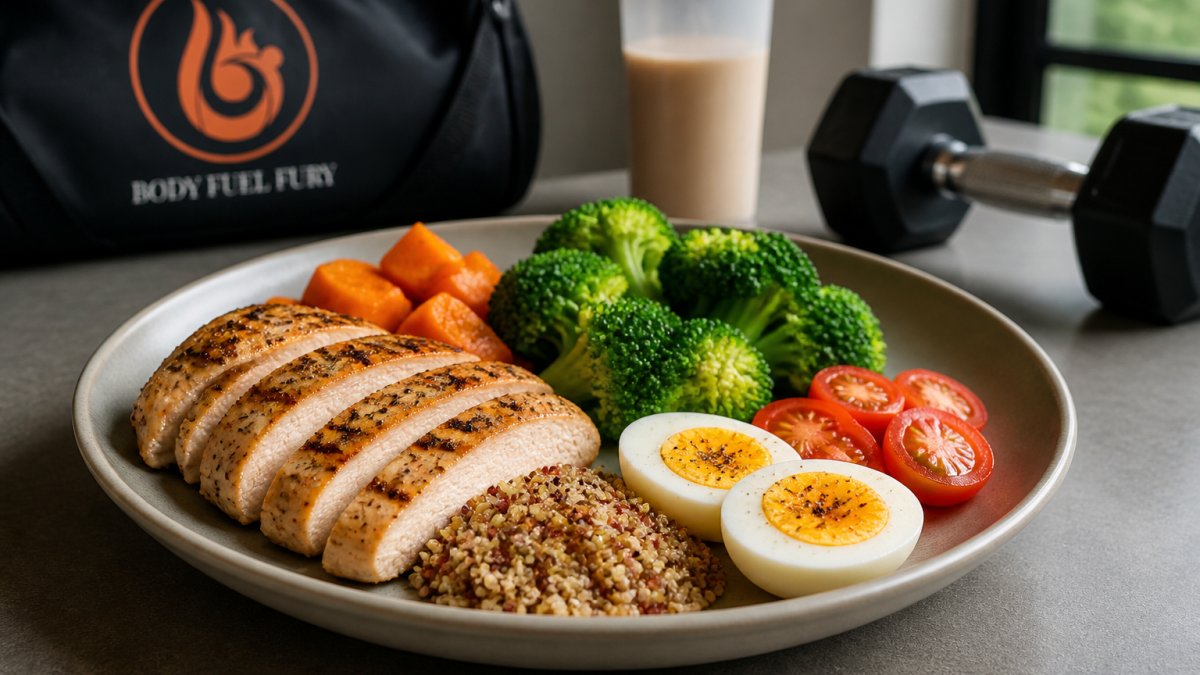
- Grilled chicken breast, sweet potato, and steamed broccoli with olive oil
- Salmon, brown rice, and roasted vegetables
- Greek yogurt with berries and granola
- Eggs, whole grain toast, and avocado
- Protein shake with banana, oats, and almond butter
The specific foods matter less than the overall composition: protein your body can digest, carbs to support recovery, and fat for hormone health.
Recovery starts with the right nutrition foundation. Our selection of high-quality protein supplements and recovery tools supports your body's natural repair process.
Frequently Asked Questions
Why does protein absorption matter for muscle recovery?
Protein absorption is how your body takes in amino acids from food and uses them to repair muscle tissue damaged during exercise. Without proper absorption, the protein you eat cannot reach your muscles to rebuild and strengthen them. When your body absorbs protein efficiently, it can synthesize new muscle tissue faster, reduce recovery time, and help prevent muscle loss. This is especially important if you're returning to fitness or training consistently.
How much protein can the body absorb at once?
Your body doesn't have a hard limit on how much protein it can absorb in one meal, absorption depends on many factors including your meal composition, digestive health, and activity level. What matters more is spreading protein throughout the day and eating enough total daily protein. Most evidence suggests eating 20-40 grams of protein per meal supports muscle repair effectively, but individual needs vary based on body weight, training intensity, and fitness goals.
What factors affect how well your body absorbs protein?
Several things influence protein absorption: the type of protein (whey absorbs faster than some whole foods), what else you eat with it (carbs and fats can slow digestion), your digestive health, hydration level, and how much you exercise. Cooking methods, meal timing, and even stress can play a role.
Is protein timing after a workout really important for recovery?
Protein timing helps, but it's less critical than total daily protein intake. Eating protein within a few hours after your workout supports muscle repair when your muscles are primed to use amino acids. However, the most important thing is consuming enough protein throughout the day and maintaining consistency. Whether you eat protein immediately after exercise or within several hours matters far less than hitting your daily protein target and staying hydrated.