 how-to
How to Prevent Acne From Protein Powder: 2026 Guide
Table of Contents
- Why Protein Powder Causes Acne
- The Whey Protein Acne Connection
- How to Identify If Protein Powder Is the Culprit
- Best Acne-Safe Protein Powder Options
- Skincare Routine for Gym Goers
- Common Mistakes That Worsen Protein Breakouts
- Mistake 1: Changing Too Many Variables at Once
- Mistake 2: Increasing Dosage to "Push Through"
- Mistake 3: Ignoring the Rest of the Diet
- Mistake 4: Overlooking Frequency
- Mistake 5: Blaming the Protein When It's the Shaker Bottle
- Mistake 6: Missing a Nutrient Deficiency After Switching
- Mistake 7: Expecting Overnight Results
- Frequently Asked Questions
Last Updated: September 16, 2026
Why Protein Powder Causes Acne
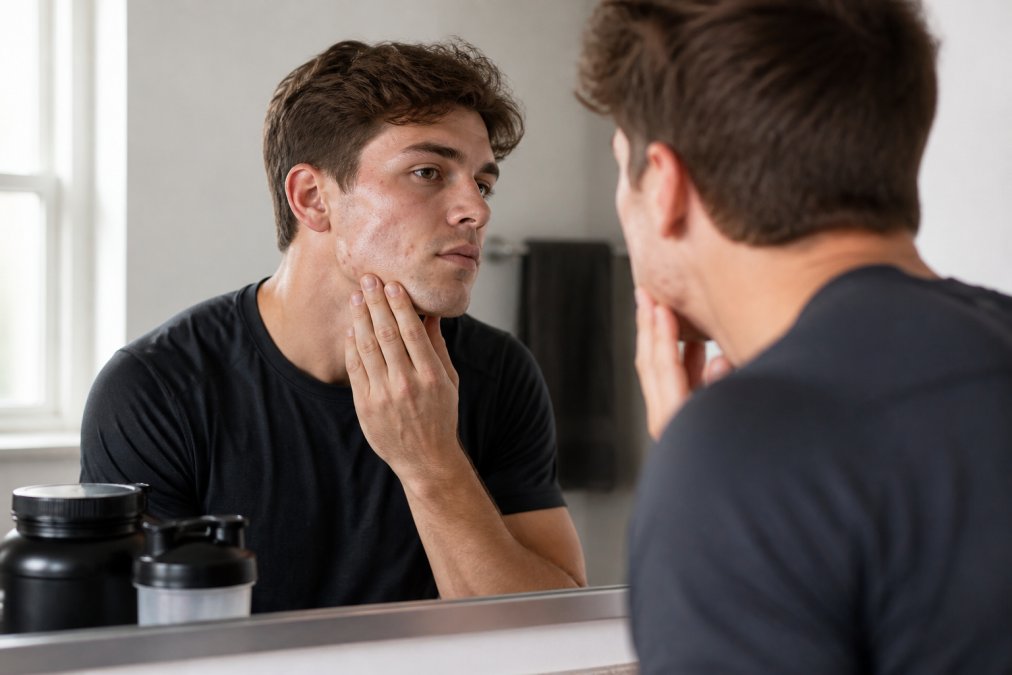
Learning how to prevent acne from protein powder starts with understanding why it happens. Protein powder can trigger breakouts through two pathways: added hormones and growth factors in dairy-based products, and individual sensitivity to specific ingredients.
The reaction isn't universal. Some people drink whey shakes daily with no issues; others see new breakouts within days. Your genetics, existing skin condition, and the specific product you choose all play a role.
The Role of IGF-1 and Sebum Production
Insulin-like growth factor 1 (IGF-1) is a hormone that increases when you consume certain proteins, particularly dairy. Elevated IGF-1 stimulates sebum production, the oily substance that clogs pores and creates an environment where acne vulgaris develops.
Whey protein raises IGF-1 more than most protein sources.
Dairy Sensitivity and Hormonal Acne
Hormonal acne isn't just a teenage problem. Adults with persistent breakouts along the jawline, chin, and cheeks often have an underlying sensitivity to dairy hormones. Whey protein concentrate contains higher levels of these hormones than whey protein isolate.
The Whey Protein Acne Connection
The whey protein acne connection is a recognized area of discussion, though individual responses vary. Whey protein isolate undergoes more processing than concentrate, removing most lactose and some hormones, making it a better option for people who are dairy-sensitive but not severely allergic.
| Protein Type | Dairy-Based | IGF-1 Impact | Best For |
|---|---|---|---|
| Whey Concentrate | Yes | Higher | Those without dairy sensitivity |
| Whey Isolate | Yes | Moderate | Mild dairy sensitivity |
| Pea Protein | No | Lower | Dairy-free diets |
| Hemp Protein | No | Lower | Sensitive skin, additional nutrients |
| Brown Rice Protein | No | Lower | Hypoallergenic needs |
How to Identify If Protein Powder Is the Culprit
Determining whether protein powder is causing your breakouts requires a systematic approach, randomly switching products without tracking results tells you nothing. The acne-safe elimination diet protocol isolates the trigger.
The Acne-Safe Elimination Diet Protocol
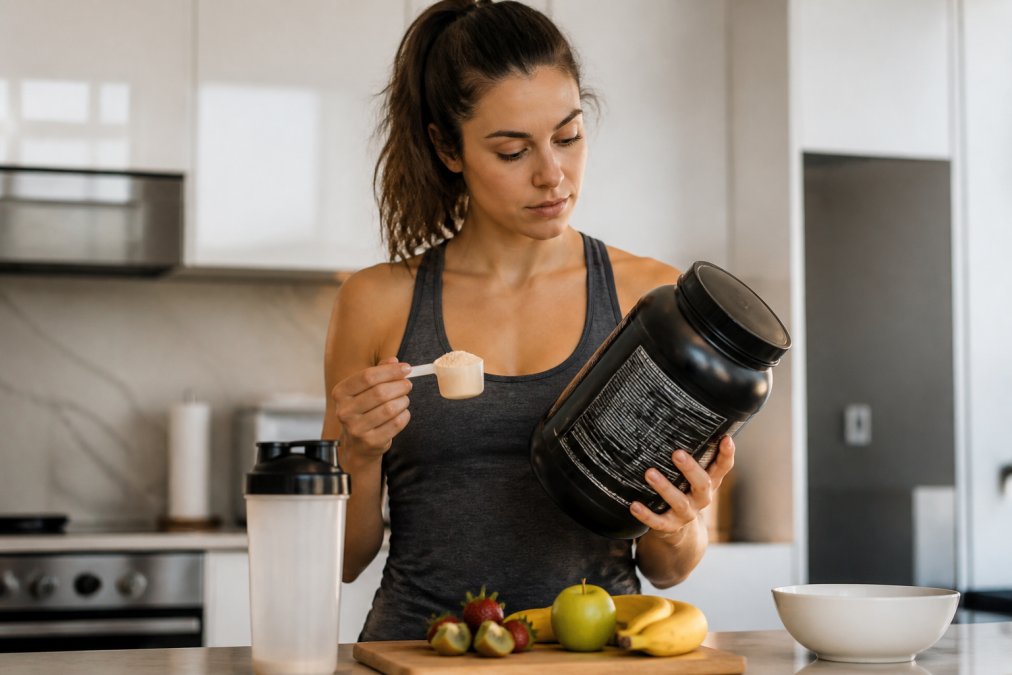
Follow this protocol to identify whether your protein powder is the problem:
- Stop all protein powder for 14 days. Continue your normal skincare routine and diet otherwise. Document any changes in your skin.
- Reintroduce one product at a time. After the elimination period, add back your original protein powder for 7 days. Note any new breakouts.
- Wait for clearance before testing the next product. If breakouts return, stop the product and wait until your skin clears before testing an alternative.
- Test a non-dairy option. Try pea, hemp, or brown rice protein using the same 7-day testing window.
- Compare results. If plant-based protein doesn't trigger breakouts while whey does, you've identified dairy as your trigger.
Best Acne-Safe Protein Powder Options
The best acne-safe protein powder depends on your trigger. If dairy is the issue, plant-based options eliminate that variable. But if you're sensitive to additives, the protein source matters less than the rest of the ingredient panel, most guides stop at "whey vs. plant," which is only half the equation.
Read the Full Ingredient Panel, Not Just the Protein Source
Two powders with identical protein bases can produce completely different skin outcomes because of what's added for flavor, texture, and shelf life. These additives are the ones most commonly flagged by people who track breakouts against labels.
Plant-Based Proteins: Pea, Hemp, and Brown Rice
Pea protein offers a complete amino acid profile and mixes well in shakes. It's hypoallergenic and doesn't contain the hormones found in dairy. The texture is slightly thicker than whey, but most people adjust quickly. Look for pea protein that lists only pea protein isolate and maybe a natural flavor, many flavored versions add the sweeteners and gums above.
The Amino Acid Trade-Off When You Switch
Switching from whey to plant-based isn't a one-for-one swap. Whey is a complete protein with high leucine, roughly 10-11% of its amino acid profile, the trigger for muscle protein synthesis. Most single-source plant proteins are lower in leucine and one or more essential amino acids.
- Pea protein is low in methionine.
- Rice protein is low in lysine.
- Hemp protein is low in lysine and leucine.
Whey Protein Isolate vs. Concentrate
Choosing between whey isolate and concentrate comes down to your sensitivity level. Isolate undergoes additional filtration that removes most lactose and much of the hormones in concentrate. If you want to keep using whey, isolate is the better choice for sensitive skin.
FDA guidance on protein supplement labeling and ingredient declarations
Skincare Routine for Gym Goers
A skincare routine for gym goers needs to account for sweat, shared equipment, and frequent showering, post-workout habits matter as much as supplement choices.
Follow this sequence after every training session:
- Rinse immediately if possible. Sweat sitting on skin for hours increases breakout risk.
- Cleanse with a gentle, non-comedogenic face wash. Harsh scrubs can damage the skin barrier and worsen inflammation.
- Apply a light moisturizer. Over-drying your skin triggers excess sebum production.
- Use a clean towel every time. Reusing gym towels spreads bacteria.
- Wipe down equipment before use. Shared benches and machines harbor bacteria that transfers to your skin.
Common Mistakes That Worsen Protein Breakouts
The biggest mistake is assuming all protein powder causes acne. It doesn't. Blaming the category instead of identifying your trigger leads people to abandon supplements when a simple product swap might solve the problem. Beyond that, a handful of errors show up again and again in people who can't get their skin to clear.
Mistake 1: Changing Too Many Variables at Once
If you switch protein brands, add a new pre-workout, and start a new face wash in the same week, you've learned nothing when your skin changes. The acne-safe elimination protocol only works if you isolate one variable at a time, most people fail because they're impatient and stack changes.
Mistake 2: Increasing Dosage to "Push Through"
More protein doesn't mean faster muscle growth, but it does mean more exposure to whatever ingredient triggers your skin. A common pattern: tolerating one scoop daily but breaking out at two. Stick to recommended serving sizes; get extra protein from whole foods rather than doubling the powder.
Mistake 3: Ignoring the Rest of the Diet
Sugar, refined carbohydrates, and high-glycemic foods all influence sebum production and inflammation. If you're eating clean protein alongside processed foods, the protein isn't your only problem, the insulin response from high-glycemic meals amplifies the IGF-1 pathway whey already stimulates, and the two effects stack.
Mistake 4: Overlooking Frequency
Some people tolerate a shake a few times per week but break out when they consume it daily. Reducing frequency while maintaining total protein through whole foods is a valid strategy. Track intake against breakouts for two to three weeks before deciding the powder is the problem.
Mistake 5: Blaming the Protein When It's the Shaker Bottle
Bacteria builds up quickly in unwashed bottles and transfers to your skin when you touch your face after drinking. Wash your shaker with hot water and soap after every use, not just a rinse. A shaker left in a gym bag overnight carries a bacterial load high enough to matter even if the powder itself is fine.
Mistake 6: Missing a Nutrient Deficiency After Switching
When people cut whey and move to plant-based powders, they often drop their total protein intake without realizing it, plant powders frequently have lower protein density per scoop. A shortfall in protein and key micronutrients like zinc and B vitamins can slow skin healing and make existing breakouts look worse.
Mistake 7: Expecting Overnight Results
Skin cell turnover takes roughly four to six weeks. If you eliminate a trigger today, you may still see breakouts for weeks as existing clogged pores work their way out. Judging a protein swap after five days is a recipe for false conclusions, give each change a full four-week window.
Frequently Asked Questions
Why do I get acne from protein powder?
Protein powder can trigger acne through two main pathways. First, whey and casein raise insulin-like growth factor 1 (IGF-1), which increases sebum production and skin inflammation. Second, added sugars, artificial sweeteners, and preservatives can disrupt the skin barrier. If you notice breakouts within two to four weeks of starting a new powder, it may be the culprit.
How to avoid acne with whey protein?
Switch to whey protein isolate, which undergoes more processing to remove lactose and milk fat that can clog pores. Check labels for artificial sweeteners like sucralose and added sugars. Limit servings to one per day and pair with a low-glycemic diet. If breakouts continue, try a non-dairy alternative like pea or hemp protein. The whey protein acne connection is a concern for many people, but isolate is often better tolerated than concentrate.
Does plant-based protein cause less acne than whey?
Plant-based proteins like pea, hemp, and brown rice are generally less comedogenic because they lack dairy hormones and lactose. They also have a lower glycemic index, which helps keep insulin and IGF-1 stable. However, some plant powders contain added sugars or artificial sweeteners that can still trigger breakouts. Choose unsweetened or naturally sweetened versions and check for hypoallergenic certifications.
What ingredients in protein powder trigger breakouts?
Watch for whey protein concentrate, casein, added sugars (especially high-fructose corn syrup), artificial sweeteners like sucralose and aspartame, and preservatives such as BHA and BHT. These can raise IGF-1, spike blood sugar, or cause inflammation. Also avoid powders with soy isolate if you have a soy sensitivity. Look for short ingredient lists with recognizable items. The best acne-safe protein powder will be free from these triggers and often labeled non-dairy or hypoallergenic.