 how-to
Risks of Daily Cold Plunging: What You Need to Know
Table of Contents
- Understanding the Physiological Response to Cold Water Immersion
- Daily Cold Plunge Side Effects You Should Monitor
- Cold Plunge Heart Risks and Cardiovascular Concerns
- How Long to Stay in a Cold Plunge Without Overexposure
- Ice Bath Safety Tips to Reduce Daily Plunging Risks
- Cold Water Immersion vs. Muscle Growth and Recovery
- Age-Specific Risk Profiles and Acclimatization
- The Bottom Line: Is Daily Cold Plunging Worth the Risk?
- Frequently Asked Questions
Last Updated: October 8, 2026
Understanding the Physiological Response to Cold Water Immersion
Cold water immersion triggers a cascade of physiological responses in your body. When you enter cold water, your nervous system reacts within seconds. Understanding these responses is essential before you make cold plunging part of your daily routine.
The risks of daily cold plunging stem largely from how your body handles repeated thermal stress. Your cardiovascular system, core temperature regulation, and nervous system all face demands during cold exposure. These systems adapt over time, but pushing too hard too fast creates real danger.
Cold Shock Response and Cardiovascular Stress
The cold shock response is your body's immediate reaction to sudden cold water exposure. Your breathing quickens. Your heart rate spikes. Blood vessels constrict. This happens involuntarily within the first few seconds of immersion.
For healthy individuals, this response is manageable. But repeated daily exposure amplifies the stress on your cardiovascular system. Your heart works harder with each plunge. Over weeks and months, this cumulative strain adds up.
The sympathetic nervous system activates during cold immersion. This is the "fight or flight" response. Adrenaline floods your system. Cortisol levels rise.
Thermoregulation and Core Body Temperature
Your body maintains a core temperature around 98.6°F. Cold water immersion forces your thermoregulation system into overdrive. Vasoconstriction pulls blood away from your skin to preserve core heat. Your muscles shiver to generate warmth.
Daily cold plunging challenges this system repeatedly. The metabolic rate increases as your body burns calories trying to maintain temperature.
Afterdrop is a critical concern here. This occurs after you exit the cold water. Your core temperature actually continues to drop for several minutes. If you plunge daily without proper rewarming protocols, afterdrop compounds across sessions.
Daily Cold Plunge Side Effects You Should Monitor
Several side effects emerge when cold plunging becomes a daily habit. Recognizing these early prevents serious complications.
Afterdrop and Rewarming Complications
Afterdrop happens because peripheral blood vessels remain constricted after you leave the water. Warm blood from your core moves outward slowly.
This is why rewarming matters enormously. Passive rewarming (just sitting in a warm room) is slower and riskier than active rewarming.
Daily cold plunging without proper rewarming creates cumulative afterdrop. Your core temperature never fully stabilizes before the next plunge.
Shivering thermogenesis is your body's main rewarming tool. When you shiver repeatedly day after day, your muscles deplete glycogen stores faster. Recovery becomes harder. Fatigue sets in.
Psychological Dependency and Addiction Risks
Cold plunging triggers endorphin release. These "feel-good" chemicals create a natural high. Some people become psychologically dependent on this sensation.
Daily plunging can shift from a recovery tool to an addiction. You might find yourself chasing the endorphin rush rather than pursuing actual recovery benefits. This psychological dependency can override rational safety decisions.
Warning signs include:
- Feeling anxious or irritable on days you skip a plunge
- Increasing plunge duration or frequency to achieve the same effect
- Continuing despite physical discomfort or warning signs
- Prioritizing the plunge over other recovery methods that might be more appropriate
The dopamine system gets involved too. Repeated cold exposure conditions your brain to expect the dopamine hit. Over time, your baseline dopamine drops, making daily life feel less rewarding without the plunge.
Cold Plunge Heart Risks and Cardiovascular Concerns
The cardiovascular system bears the most stress during cold water immersion. For some people, the risks of daily cold plunging outweigh any potential benefits.
Blood Pressure Spikes and Arrhythmia Risk
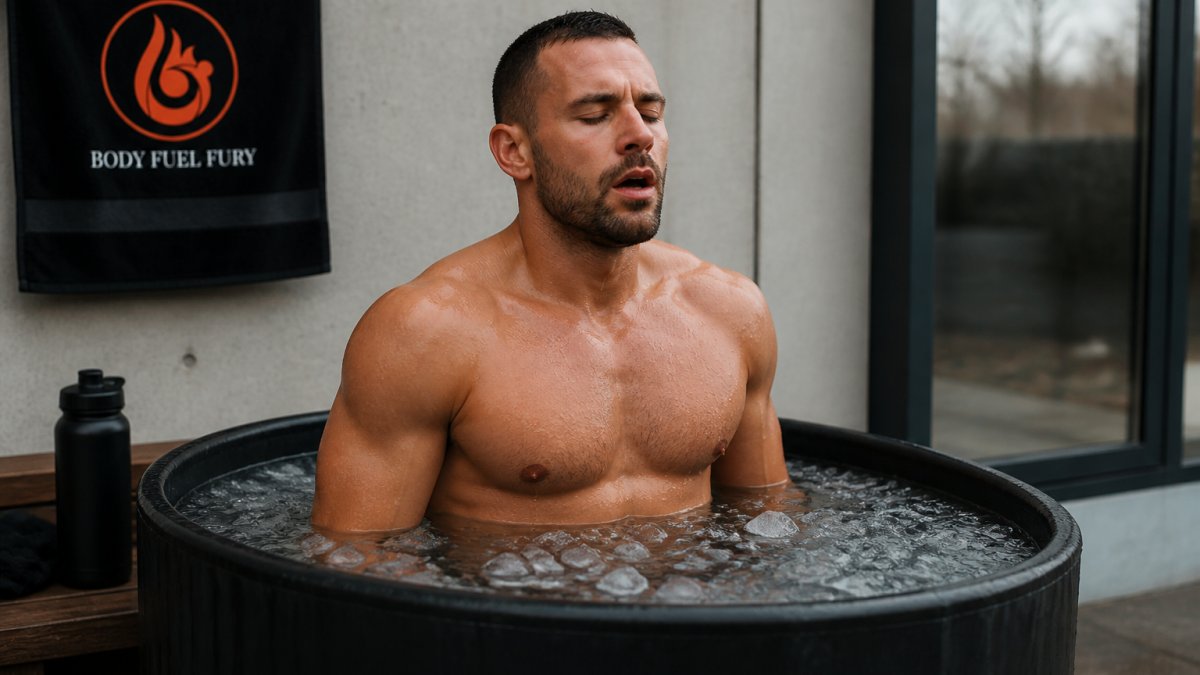
Blood pressure increases dramatically during cold immersion. A spike of 20-40 mmHg is common. For someone with baseline hypertension, this becomes dangerous.
Arrhythmias (irregular heartbeats) can occur during or after cold exposure. The sudden sympathetic activation disrupts the heart's electrical system.
Immersion diuresis is another concern. Cold water triggers increased urination. Your body loses fluids and electrolytes. This affects blood volume and can worsen arrhythmia risk.
Heart rate variability (HRV) changes during cold exposure. Your parasympathetic nervous system struggles to activate.
Who Should Avoid Cold Plunges Entirely
Certain populations face unacceptable risk from cold plunging. If you have any of these conditions, cold plunging is contraindicated:
- History of heart attack or stroke
- Diagnosed arrhythmias or heart rhythm disorders
- Uncontrolled hypertension (blood pressure consistently above 160/100)
- Coronary artery disease
- Heart failure
- Severe Raynaud's phenomenon
- Recent surgery or acute illness
- Pregnancy (due to unknown fetal effects)
Even if you don't have diagnosed heart disease, age matters. Adults over 60 face higher cardiovascular risk from cold exposure. The sympathetic response becomes more pronounced. Recovery takes longer.
People taking beta-blockers, calcium channel blockers, or blood pressure medications need to be especially cautious. These drugs blunt your body's normal cold response mechanisms. Your heart cannot compensate effectively.
How Long to Stay in a Cold Plunge Without Overexposure
Duration and temperature work together to determine safety. Neither should be maximized independently.
Duration Guidelines by Experience Level
Beginners should start conservatively:
- Week 1-2: 30-60 seconds maximum
- Week 3-4: 60-90 seconds maximum
- Week 5+: 90-120 seconds maximum (if tolerated)
Never exceed 3-4 minutes in cold water. Beyond this, the risks of daily cold plunging increase sharply. Your core temperature drops faster. Afterdrop becomes more severe. Cardiovascular stress compounds.
Experienced plungers sometimes stay in longer. But "experienced" doesn't mean daily plunging is safe at extended durations. The cumulative effect of daily exposure matters more than single-session duration.
Listen to your body. If you feel dizzy, experience chest pain, or notice irregular heartbeats, exit immediately. These are warning signs. Pushing through them is dangerous.
Water Temperature Thresholds and Safety
Water temperature below 50°F triggers stronger cold shock responses. Below 40°F, risks increase exponentially. Most home cold plunge systems operate between 45-55°F.
Colder water demands shorter durations. A 2-minute plunge at 45°F is safer than a 2-minute plunge at 35°F.
Acclimatization happens over weeks, not days. Your body adapts to repeated cold exposure by dampening the initial shock response. But this adaptation is incomplete.
Seasonal temperature changes matter if you use natural water sources. A lake that feels tolerable in fall becomes dangerously cold in winter.
Ice Bath Safety Tips to Reduce Daily Plunging Risks
If you choose to cold plunge daily, these practices reduce harm.
Post-Plunge Rewarming Protocols
Active rewarming is non-negotiable. Here's the protocol we recommend:
- Exit the water immediately when your planned time is complete
- Dry off completely within 30 seconds
- Put on warm, dry clothing (layers help)
- Drink warm (not hot) fluids within 5 minutes
- Move your body gently, walk, stretch, or perform light activity
- Avoid hot showers for at least 30 minutes (rapid rewarming can trigger afterdrop)
- Monitor your core temperature through shivering patterns
Shivering should gradually decrease over 20-30 minutes. If shivering intensifies or continues beyond 45 minutes, you've pushed too hard. Reduce duration or temperature next time.
Gradual passive rewarming works better than rapid active rewarming. Your body needs time to redistribute blood flow safely. Patience prevents complications.
Medication Interactions and Pre-Existing Conditions
Certain medications interact poorly with cold exposure:
- Beta-blockers blunt your heart rate response, masking dangerous situations
- Blood pressure medications can cause excessive drops during rewarming
- Stimulants (caffeine, pre-workout supplements) amplify cardiovascular stress
- Antihistamines reduce shivering thermogenesis, impairing rewarming
If you take any medication regularly, discuss cold plunging with your doctor first. Don't assume it's safe just because you feel fine.
Pre-existing conditions change the risk calculus entirely. Diabetes increases neuropathy risk (nerve damage from cold). Asthma can worsen with cold air exposure after exiting water. Thyroid disorders affect metabolism and temperature regulation.
Age-specific risks deserve attention. Adults over 50 have stiffer arteries. Cold-induced vasoconstriction creates higher pressure spikes. Recovery takes longer. Daily plunging becomes progressively riskier with each decade.
Cold Water Immersion vs. Muscle Growth and Recovery
The relationship between cold plunging and muscle adaptation is complex. Benefits and risks must be weighed carefully.
Impact on Muscle Hypertrophy and Strength Gains
Cold exposure activates your sympathetic nervous system. This triggers the release of norepinephrine and other catecholamines. These hormones suppress protein synthesis in the short term.
If you cold plunge immediately after strength training, you may blunt hypertrophy signals. Your muscles receive conflicting messages.
Timing matters. Plunging several hours after training reduces this interference. But daily plunging means some sessions will be closer to training than others.
Muscle protein breakdown increases during cold exposure. This is catabolic, the opposite of what strength athletes want.
Inflammation Reduction vs. Adaptation Interference
Cold water reduces inflammation markers temporarily. Swelling decreases. Pain diminishes. This feels beneficial in the short term.
But inflammation is also a signal for adaptation. Your muscles need inflammatory cytokines to trigger growth. Suppressing inflammation too aggressively interferes with this process.
The research on cold immersion and strength gains is mixed at best. Some studies show no benefit when cold plunging is combined with resistance training.
For strength athletes, the risks of daily cold plunging likely outweigh benefits. For endurance athletes, occasional cold plunging (2-3 times per week) may help with recovery.
Age-Specific Risk Profiles and Acclimatization
Age changes how your body handles cold stress. Younger athletes tolerate cold exposure better. Older adults face compounding risks.
Athletes under 30 have more elastic arteries. Their sympathetic response recovers faster. Rewarming is quicker.
Athletes 30-50 occupy a middle ground. Arterial stiffness increases gradually. Recovery slows.
Athletes over 50 should approach daily cold plunging with extreme caution. Arterial stiffness is pronounced.
Acclimatization improves tolerance over weeks. Your body learns to blunt the initial shock response. But acclimatization has limits.
Acclimatization does not eliminate risk. It merely reduces the magnitude of the stress response.
| Age Group | Cardiovascular Risk | Recommended Frequency | Max Duration |
|---|---|---|---|
| Under 30 | Low to moderate | Daily possible | 2-3 minutes |
| 30-50 | Moderate | 3-4 times weekly | 90-120 seconds |
| Over 50 | Moderate to high | 1-2 times weekly | 60-90 seconds |
| With heart conditions | High to very high | Contraindicated | N/A |
The Bottom Line: Is Daily Cold Plunging Worth the Risk?
Daily cold plunging offers some benefits. Improved mood, reduced inflammation, and enhanced alertness are real.
For most people, daily cold plunging is unnecessary. The benefits plateau quickly.
If you're returning to fitness or new to cold exposure, start slowly.
Listen to warning signs. Chest pain, dizziness, irregular heartbeats, or excessive fatigue mean stop immediately.
Consider alternatives. Contrast therapy (alternating hot and cold) may offer benefits with less risk. Sauna use provides some similar benefits without the cardiovascular shock.
At Body Fuel Fury, we emphasize progress over perfection.
Work with a healthcare provider before starting daily cold plunging.
Cold plunging can be part of your recovery toolkit, but daily exposure demands careful consideration.
Frequently Asked Questions
Is it bad to do a cold plunge every day?
Daily cold plunging carries cumulative risks. Repeated cold shock responses stress your cardiovascular system, elevate cortisol, and may impair muscle hypertrophy if done immediately after strength training. Most research suggests 2-3 times per week is safer. Daily exposure increases the risk of hypothermia, afterdrop complications, and psychological dependency. If you're returning to fitness, start with once-weekly sessions and monitor how your body responds before increasing frequency.
What are the main side effects of daily cold plunge exposure?
Common side effects include blood pressure spikes, irregular heart rate, hyperventilation during immersion, cold-induced diuresis (excessive urination), and afterdrop (paradoxical drop in core temperature after exiting). Repeated daily exposure can trigger chronic elevation of cortisol, sleep disruption, and psychological dependency on the sensation. Some athletes report reduced muscle protein synthesis when cold plunging immediately post-workout, which interferes with hypertrophy goals.
How long should a beginner stay in a cold plunge?
Beginners should start with 1-2 minutes in water between 50-60°F. Limit initial sessions to once per week and gradually increase duration only after your body adapts. Never exceed 5-10 minutes even for experienced users; longer immersion significantly increases hypothermia and afterdrop risk. Water temperature matters more than duration, colder water (below 50°F) demands shorter exposure times. If you feel uncontrollable shivering, confusion, or chest pain, exit immediately and rewarm slowly.
What ice bath safety tips should I follow to reduce risks?
Always have a thermometer to verify water temperature (aim for 50-60°F for beginners). Never plunge alone, have someone nearby to monitor you. Warm up gradually afterward with dry clothes and warm (not hot) beverages; avoid rapid rewarming. Check with your doctor if you have cardiovascular conditions, hypertension, or take medications. Space sessions 48 hours apart to allow parasympathetic recovery. Exit immediately if you experience chest pain, severe shortness of breath, or loss of control. Start with shorter durations and colder temperatures only after weeks of adaptation.